Thyroid screening

Thyroid screening

Thyroid screening

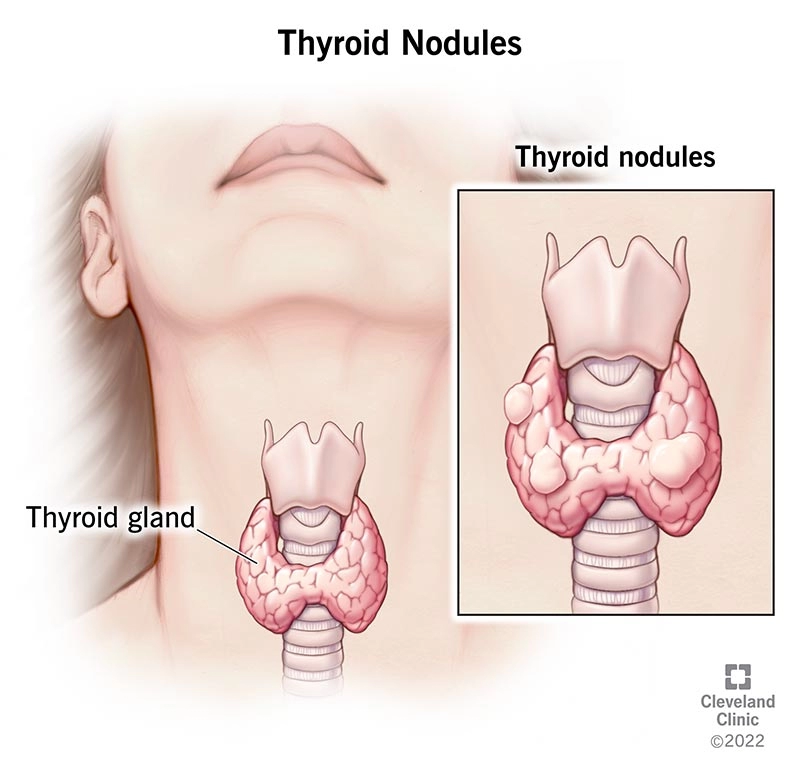
Thyroid nodules are one of the most common medical concerns, especially considering their higher prevalence in women compared to men, even when age is taken into account. This gender difference is largely attributed to the influence of hormones like estrogen and progesterone, which can affect thyroid tissue and contribute to the formation of nodules

The importance of regular monitoring and early detection of thyroid nodules is critical. Early identification can help prevent the progression of various thyroid-related diseases, especially thyroid cancer. It allows for prompt intervention, which can improve outcomes by addressing any issues at the earliest stages.
Thyroid screening

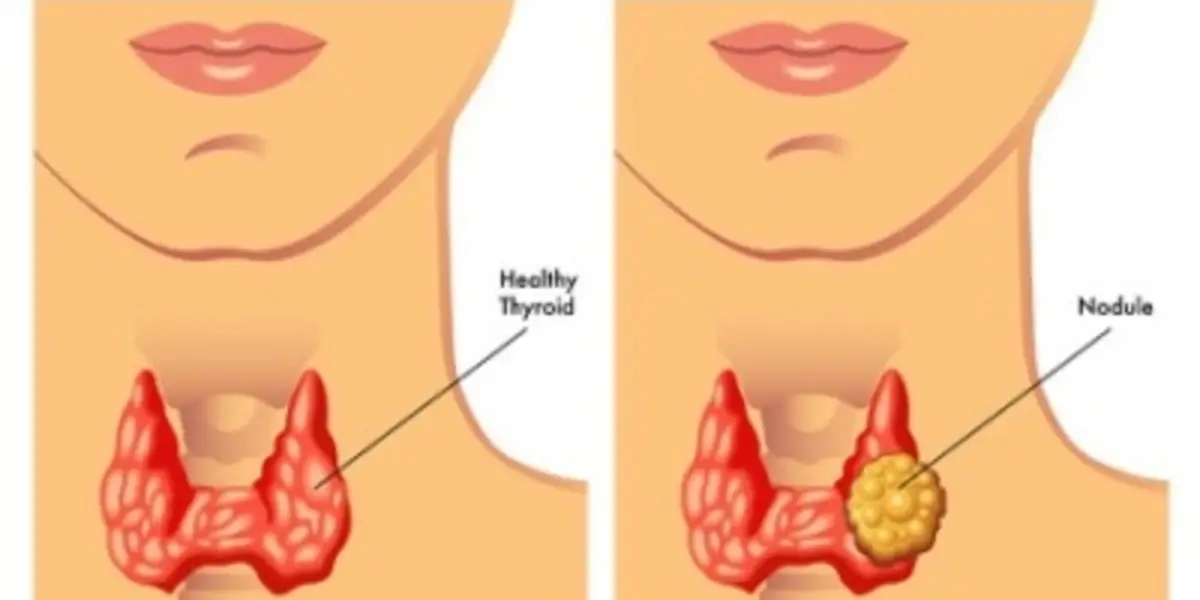
A major concern with thyroid nodules is the possibility of malignancy. While thyroid cancer is relatively rare, it is essential to evaluate nodules carefully to detect any cancerous growths. Without advanced diagnostic tools, identifying malignancy can be challenging, as some cancerous nodules do not show clear signs during a physical examination.

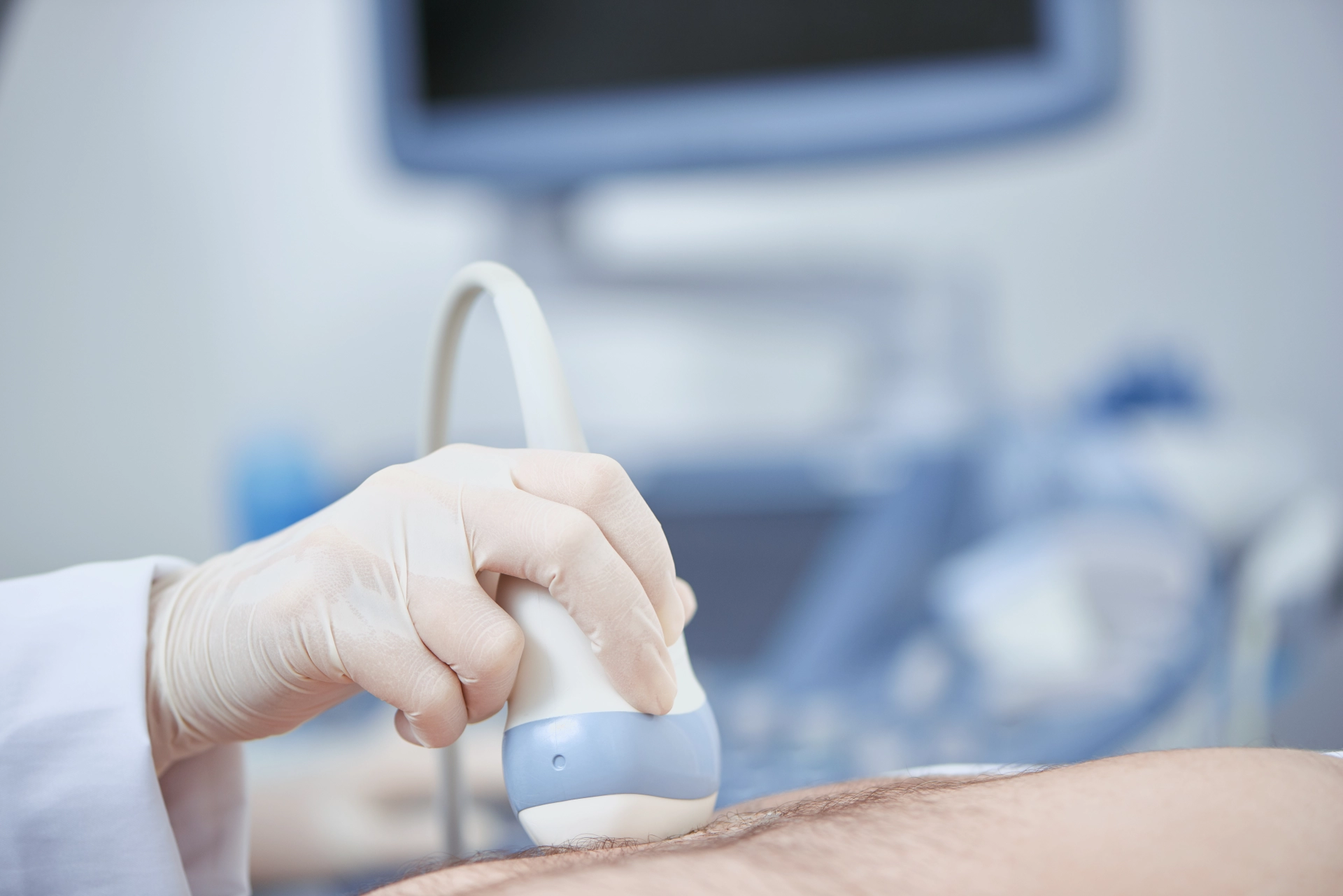
Technological advancements, particularly in imaging, have significantly enhanced the ability to diagnose thyroid nodules accurately. High-resolution ultrasound has become an invaluable tool in detecting these nodules. Research has demonstrated that ultrasound can increase the rate of thyroid nodule detection from around 7% using just palpation to as high as 76% with the use of ultrasound technology. This substantial improvement highlights the crucial role of ultrasound in identifying even small or hard-to-find nodules that might otherwise go undiagnosed.
Thyroid screening

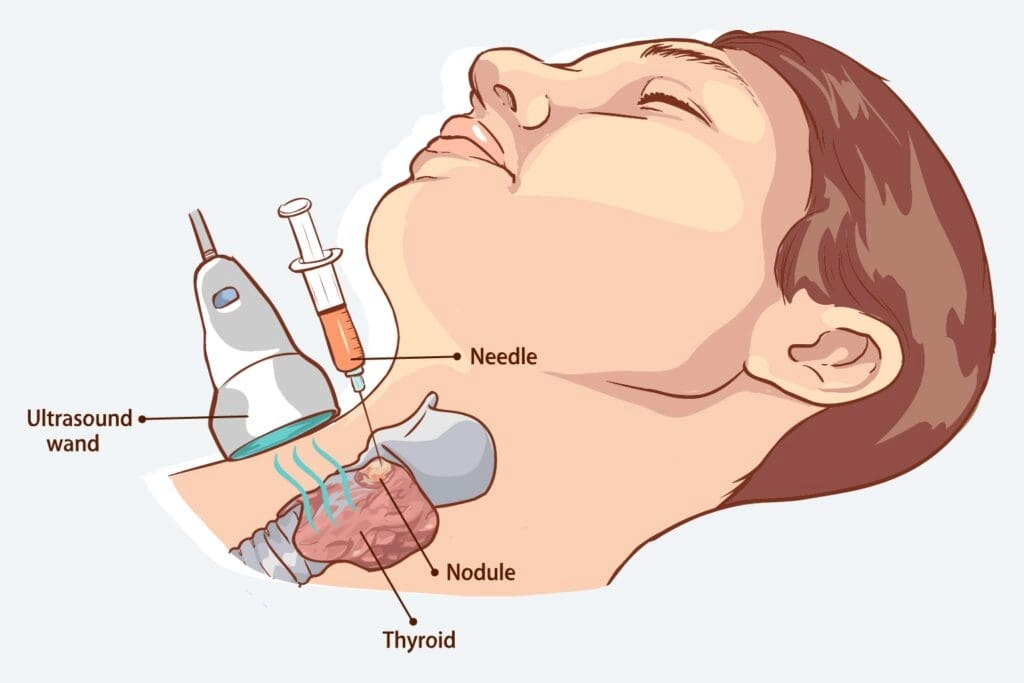
Once a nodule is detected using ultrasound, the next step is determining whether it is benign or malignant. Fine Needle Aspiration Cytology (FNAC) has emerged as the most reliable method for evaluating the malignancy of thyroid nodules. This procedure involves using a thin needle to extract a sample of cells from the nodule, which are then analyzed for signs of cancer. When used in conjunction with ultrasound, FNAC provides a minimally invasive but highly accurate diagnostic tool, helping clinicians make informed decisions and reducing unnecessary surgeries

These advancements in diagnostic technology, such as high-resolution ultrasound and FNAC, have revolutionized the approach to thyroid nodules. They significantly improve the accuracy of diagnosis, reduce the risk of missed malignancies, and ensure that patients receive the best possible care.

What is malnutrition?
16 January 2026
Malnutrition: what it means and why it matters Malnutrition is a condition that occurs when the body does not receive the correct amount or balance of nutrients needed to stay healthy. This problem is not limited to hunger alone. A person may eat too little, eat too much, or consume foods that lack essential vitamins and minerals. Any long-term mismatch between nutritional needs and intake can harm the body’s normal functions. Malnutrition is broadly divided into undernutrition and overnutrition. Undernutrition develops when the body lacks sufficient energy, protein or micronutrients to maintain tissues, immunity and growth. It may cause weight loss, muscle wasting, fatigue, frequent infections and delayed physical or intellectual development in children. Overnutrition occurs when excessive calories or nutrients are consumed over time, often leading to obesity and metabolic disorders such as diabetes, heart disease and high blood pressure. Types of malnutrition • Undernutrition – deficiency of calories, protein, vitamins or minerals due to poor intake, impaired absorption or increased nutritional needs. • Overnutrition – excessive intake of calories or nutrients, including unhealthy weight gain and, in rare cases, toxicity from supplements. Malnutrition can affect people of all ages, but children, older adults, individuals with chronic illnesses and those with limited access to nutritious foods are particularly vulnerable. Importantly, malnutrition is not always visible — a person may appear overweight while still lacking essential micronutrients. Main causes of malnutrition • Unbalanced or insufficient diet, often linked to poverty, food insecurity or lack of nutritional knowledge. • Medical and lifestyle factors, such as chronic disease, digestive disorders, sedentary habits, mental health conditions or improper use of supplements. Diagnosis is based on dietary assessment, physical examination and, when needed, laboratory tests to identify nutrient deficiencies or excesses. Treatment depends on the type and severity of malnutrition and may involve dietary changes, nutritional supplementation, medical monitoring or long-term lifestyle support. Preventing malnutrition starts with a varied, balanced diet that meets the body’s nutritional needs. Early recognition and appropriate intervention play a key role in reducing long-term health complications and improving overall quality of life.
What is Thrombophilia?
13 January 2026
Thrombophilia is a condition in which the blood has an increased tendency to clot. Normally, blood clots form to stop bleeding after an injury and dissolve once healing begins. In thrombophilia, this balance is disturbed, causing clots to form too easily or remain longer than necessary. Because blood vessels deliver oxygen to vital organs, abnormal clots can block circulation and lead to serious complications such as deep vein thrombosis, pulmonary embolism, stroke, heart attack, or pregnancy loss. Types of Thrombophilia There are two main types of thrombophilia. Inherited (genetic) thrombophilia is passed down from one or both parents. It occurs when clot-controlling proteins are missing or not working properly. Common inherited forms include Factor V Leiden, prothrombin gene mutation, and deficiencies of protein C, protein S, or antithrombin. Acquired thrombophilia develops later in life due to medical conditions, medications, or lifestyle factors. The most common and severe acquired form is antiphospholipid syndrome, which greatly increases clotting risk. Symptoms Many people with thrombophilia have no symptoms until a blood clot forms. Symptoms depend on the clot’s location and may include: • Swelling, pain, or warmth in an arm or leg • Sudden chest pain or shortness of breath • Severe headache, speech or vision problems • Recurrent miscarriages Any suspected clot requires immediate medical attention. Risk Factors Certain factors increase the likelihood of clot formation, especially in people with thrombophilia: • Prolonged immobility, surgery, or hospitalization • Pregnancy, smoking, or obesity • Cancer, chronic illness, or estrogen-containing hormones • Family history of blood clots Diagnosis and Treatment Diagnosis is based on medical history, blood tests, and imaging studies such as ultrasound or CT scans. Testing is often recommended for people with unexplained or early-onset clots or repeated pregnancy loss. There is no cure for inherited thrombophilia, but it can be managed. Treatment usually includes blood-thinning medications and, in some cases, compression stockings or emergency clot-dissolving therapy. Conclusion Thrombophilia affects how the body controls blood clotting, but most people with the condition never develop a clot. With proper awareness, preventive measures, and medical care, thrombophilia can be safely managed, allowing individuals to live healthy and active lives.
Gastroenteritis: Causes, Symptoms and Care
10 January 2026
Gastroenteritis is a condition marked by inflammation of the stomach and intestines. This inflammation irritates the digestive tract, leading to uncomfortable symptoms such as diarrhea, vomiting, nausea and abdominal pain. Because the stomach and intestines are involved at the same time, symptoms often appear suddenly and can feel intense, though the illness is usually short-lived. This condition is extremely common worldwide. Most people experience gastroenteritis at least once in their lifetime, often more than once. While it is usually mild and resolves on its own, gastroenteritis can become serious in young children, older adults and people with weakened immune systems. Why gastroenteritis occurs Gastroenteritis develops when the immune system reacts to harmful substances or microorganisms entering the digestive tract. The inflammatory response helps fight off infection or injury, but it also causes swelling, irritation and increased fluid movement in the intestines, which leads to diarrhea and vomiting. There are two main forms of gastroenteritis: infectious and chemical.Main types of gastroenteritis • Infectious gastroenteritis – caused by viruses, bacteria, parasites or fungi. • Chemical gastroenteritis – caused by toxins, medications, alcohol or poisonous substances. • Acute gastroenteritis – sudden onset, short duration (most common). • Persistent gastroenteritis – uncommon, lasts longer and may require medical treatment. Common causes of infectious gastroenteritis Infectious gastroenteritis is the most frequent form and spreads easily through contaminated food, water or unwashed hands. The infection is shed in stool, making hygiene especially important. Infectious agents include: • Viruses: Norovirus (most common), rotavirus, adenovirus, astrovirus. • Bacteria: Salmonella, E. coli, Campylobacter, Shigella, C. difficile. • Parasites: Giardia, Cryptosporidium, Entamoeba. • Fungi: Candida and Aspergillus (rare, usually in immunocompromised individuals). Chemical gastroenteritis, on the other hand, may occur after exposure to substances such as heavy metals, toxic plants or excessive use of alcohol and certain medications. Signs and symptoms to recognize Symptoms often appear abruptly and mainly affect the digestive system at first. As the illness progresses, whole-body symptoms may follow. Typical symptoms include:• Diarrhea and abdominal cramping • Nausea and vomiting • Loss of appetite • Fever and chills • Fatigue and body aches Most cases improve within one to three days, although some infections may last longer or require targeted treatment. How gastroenteritis is treated In the majority of cases, gastroenteritis resolves without specific medication. Treatment focuses on supporting the body while it recovers and preventing complications, especially dehydration. Supportive care may include:• Rest and reduced physical activity • Oral fluids or rehydration solutions • Bland, easy-to-digest foods • Medications for nausea or diarrhea (when appropriate) Specific antibiotics or antiparasitic drugs are only used when a confirmed infection requires them. Toxic exposures may need specialized treatment depending on the substance involved. Possible complications and when to seek help Dehydration is the most common complication, especially in children and older adults. Severe or prolonged cases can lead to electrolyte imbalances or intestinal damage. Seek medical care if you notice:• Inability to keep fluids down • Symptoms lasting more than five days • High or persistent fever • Severe abdominal pain or swelling • Blood in stool or green-colored vomit • Signs of confusion or unusual behavior Prevention and everyday protection Although not all cases can be prevented, simple habits significantly reduce the risk of gastroenteritis and its spread. Key prevention strategies:• Wash hands thoroughly with soap and water • Clean shared surfaces with disinfectants • Handle and cook food safely • Use caution with food and water while traveling • Take medications only as directed Living with gastroenteritis During recovery, the digestive system is sensitive. Eating lightly for a few days helps reduce irritation and allows healing. Recommended foods include rice, toast, bananas, broth, applesauce and fluids. Foods to avoid include alcohol, dairy, caffeine, spicy or fatty meals and sweets. Outlook For most people, gastroenteritis is uncomfortable but not dangerous. With rest, hydration and proper care, recovery is usually quick. However, vulnerable individuals should be monitored closely to prevent complications and seek medical attention if symptoms worsen or persist.
Autoimmune Thyroiditis (Hashimoto's Thyroiditis)
07 January 2026
Autoimmune thyroiditis, most commonly known as Hashimoto's thyroiditis, is a chronic inflammatory disease of the thyroid gland. In this condition, the body's protective system—the immune system—mistakenly perceives the hormone-producing cells of its own thyroid gland as "foreign" and attacks them. This continuous attack by the immune system leads to the gradual destruction of thyroid tissue over the years. As a result, the gland's ability to produce hormones is limited, and over time, thyroid underactivity—hypothyroidism—develops. Hashimoto's thyroiditis is considered one of the most common causes of hypothyroidism. Causes The main factors for the onset of the disease are diverse and often interconnected: 1. Family predisposition – if there are cases of thyroid or other autoimmune diseases in the family, the risk increases significantly. 2. Iodine-rich diet – especially in cases where a genetic predisposition exists. 3. Certain viral and bacterial infections – which can activate the autoimmune process. Initial Symptoms In the early stages of the disease, symptoms resembling increased thyroid function are often observed, which can be temporarily misleading: 1. Increased sweating 2. Weight loss 3. Nervousness and irritability 4. Palpitations This phase can be transient and gradually change into thyroid underactivity. Symptoms of Hypothyroidism As the disease develops, signs characteristic of hypothyroidism manifest, which can significantly affect the quality of life: 1. Fatigue, general weakness 2. Dry skin 3. Hair loss 4. Weight gain 5. Constipation 6. Difficulty concentrating 7. Memory impairment 8. Edema (swelling) in the upper and lower extremities Diagnosis A combination of several research methods is used for accurate diagnosis: 1. Palpation of the thyroid gland 2. Checking thyroid hormones and specific antibodies in the blood 3. Ultrasound examination of the thyroid gland 4. Scintigraphy (if necessary) Treatment The main approach to treating Hashimoto's thyroiditis is hormone replacement therapy: 1. Thyroid hormone replacement medications are prescribed. 2. It is necessary to periodically monitor thyroid hormone levels to determine and adjust the correct dosage of the pill. Thyroid function usually deteriorates gradually over the course of life; therefore, the dosage of the hormonal medication may change over time. Treatment, as a rule, continues throughout life because the damaged tissue of the thyroid gland does not recover, and the underactivity remains permanent.

Fill in the required fields

I am waiting for a call

We will help you quickly find what you need!

Thank you!
Our employee will contact you soon
Close
dalimed medical
How can we help?
Leave your number and we will call you back
Book a call
I agree with the terms of personal data processing
Thank you!
Our employee will contact you soon
Close