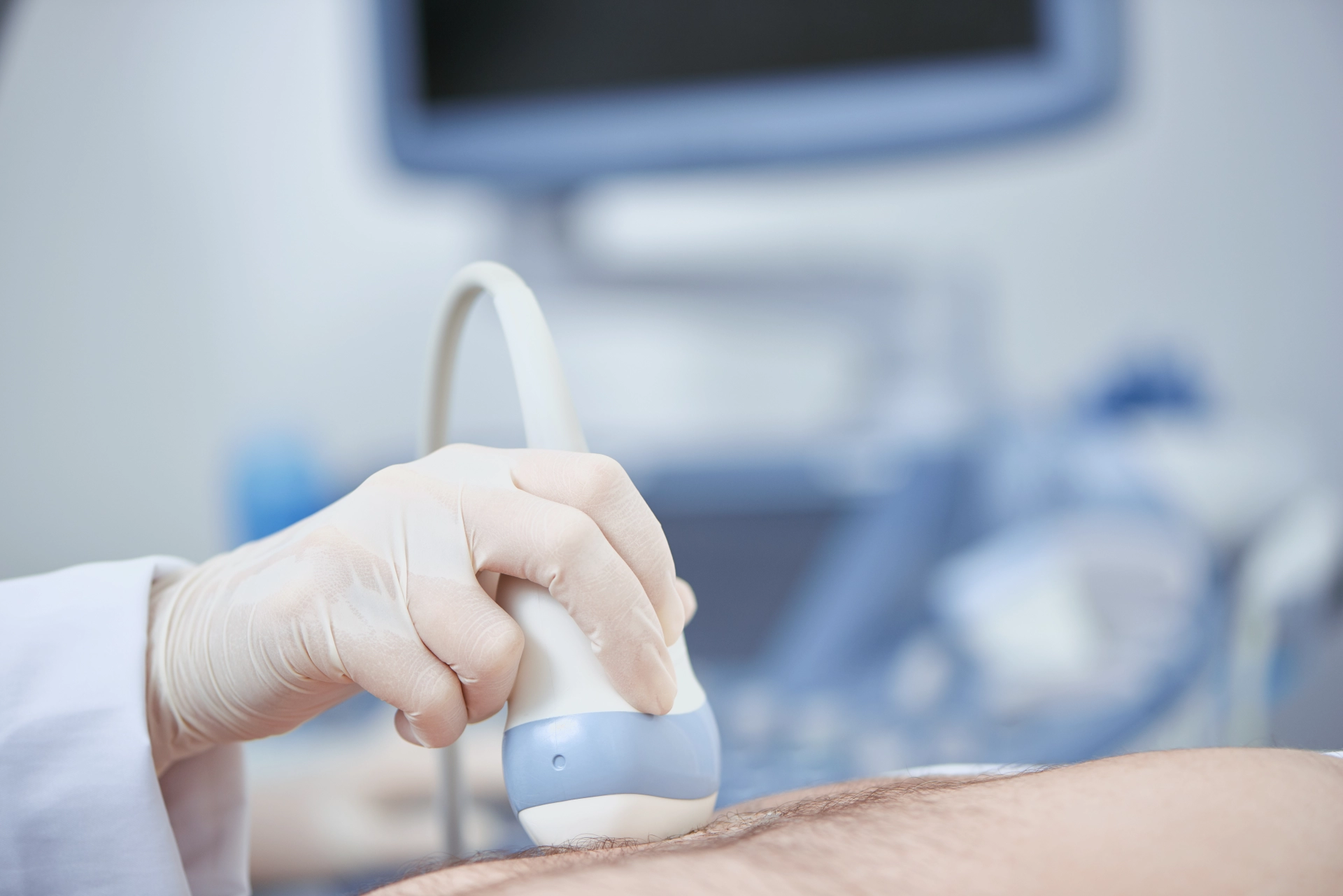
What Is Botulism?

What Is Botulism?

What Is Botulism?
Botulism is a rare but serious infectious disease caused by the bacterium

Clostridium botulinum

. The danger comes from the powerful toxin it produces. This poison blocks the function of the nervous system, leads to paralysis, and can be fatal if medical help is not provided in time.
There are several main forms of the disease. The most common is the

foodborne form

, which develops after consuming contaminated food.

Wound botulism

occurs when bacterial spores enter a wound and multiply.

Infant botulism

affects children under one year old when spores begin to grow in the intestines. Less frequent variants include

intestinal colonization

in adults, iatrogenic botulism following medical procedures, and the extremely rare inhalational botulism.

Symptoms and Causes

The first symptoms are often linked to vision problems: double vision, blurred sight, and dilated pupils. Soon after, droopy eyelids, dry mouth, difficulty swallowing, and slurred speech may appear. As the toxin spreads, muscle weakness develops along with digestive and respiratory difficulties. The most dangerous complication is paralysis of the respiratory muscles.
Symptoms depend on the type of botulism:

Foodborne botulism

: abdominal pain, nausea, vomiting, bloating, constipation, visual disturbances, and general weakness.

Wound botulism

: gradual onset (1–3 weeks), localized weakness near the wound, possible fever, and no early digestive symptoms.
The root cause is always the same: multiplication of Clostridium botulinum and release of its toxin. For this to happen, certain conditions are required — low oxygen, insufficient acidity, lack of salt or sugar, improper food storage, or inadequate heat treatment. Homemade canned foods prepared without proper sterilization are a frequent source of infection.

Complications

The most life-threatening complication of botulism is respiratory failure, which can cause death without mechanical ventilation. Even after successful treatment, patients may suffer from long-lasting weakness and fatigue. Recovery of muscle strength can take weeks or months, sometimes complicated by pneumonia or nervous system disorders.

Diagnosis

Doctors usually suspect botulism based on clinical symptoms: sudden visual disturbances, difficulty speaking and swallowing, and muscle weakness. Information about recently consumed food or the presence of wounds is also crucial.
Laboratory confirmation may include tests of blood, stool, or vomit. To exclude other conditions with similar signs, additional diagnostic methods are often used, such as:
• Computed tomography (CT) or magnetic resonance imaging (MRI)
• Lumbar puncture
• Electromyography

Treatment

Therapy is focused on quickly neutralizing the toxin and supporting vital functions. Patients older than one year are treated with an antitoxin, which blocks the poison’s further action. In severe cases with respiratory paralysis, artificial ventilation is required.
Infants are treated with a specific preparation — botulinum immune globulin (Baby BIG). In wound botulism, treatment also includes surgical cleaning of infected tissue and the use of antibiotics.

Prognosis

With timely diagnosis and proper treatment, most patients recover. Noticeable improvements usually appear within a few months, but full recovery may take up to a year. Rehabilitation and supportive care are often necessary throughout this period.

Prevention

Botulism is largely preventable if proper food handling and storage practices are followed, especially when preparing home-canned goods.
Key preventive measures include:

• Refrigerating food within 2 hours of cooking

• Boiling food for at least 10 minutes to destroy toxins

• Avoiding swollen or damaged canned goods

• Sterilizing homemade preserves in an autoclave at 121°C for at least 30 minutes

• Discarding foods with an unusual or foul odor

To reduce the risk of wound botulism, wounds should be cleaned promptly, non-sterile needles should never be used, and illicit drug use must be avoided. Injections of botulinum toxin should only be performed by licensed healthcare providers.

What is an AMH test?
15 December 2025
An AMH test measures the level of anti-müllerian hormone in your blood. This hormone is produced by the small follicles in your ovaries and reflects the number of eggs you have — your ovarian reserve. Higher AMH levels usually suggest more available eggs, while lower levels indicate fewer remaining eggs or a naturally declining reserve with age. Although AMH provides valuable insight into egg quantity, it cannot predict how easily you can get pregnant, whether fertility treatment will work or when menopause will begin. Healthcare providers use AMH testing to get a clearer picture of reproductive health. It helps determine if your ovaries are aging faster than expected, estimate how well you may respond to fertility medications and prepare for treatments such as IVF, where multiple mature eggs are needed. AMH can also be useful in identifying or tracking certain ovarian tumors, including granulosa cell tumors. AMH levels rise through adolescence, peak in your mid-20s and gradually decrease as you age. Typical levels range from 1.0 to 3.0 ng/mL, while anything below 1.0 is considered low. Levels may vary slightly depending on the laboratory equipment used. What an AMH test is used for: • Evaluating ovarian reserve, reproductive aging and potential response to fertility treatments like IVF. • Helping diagnose or monitor ovarian masses, especially granulosa cell tumors. The AMH test is a simple blood test that can be performed at any point in the menstrual cycle because AMH stays relatively stable throughout the month. You don’t need to prepare beforehand. If your sample is processed by a laboratory, results typically return within a few days. While at-home AMH kits are available, a specialist should always interpret the results. Fertility is influenced by many factors, including age, ovulation patterns, sperm quality, blocked fallopian tubes, pelvic conditions and uterine abnormalities — none of which AMH can measure. What an AMH test cannot tell you: • Your ability to conceive naturally, your exact fertility potential or the age you will reach menopause. • Other major fertility factors such as sperm count, ovulatory problems, fallopian tube blockage, endometriosis or uterine fibroids. In summary, an AMH test offers valuable information about your ovarian reserve, but it is only one part of the bigger fertility picture. Understanding your results with a qualified specialist ensures you get accurate guidance and a personalized plan for pregnancy or treatment options.
What Is Bradycardia?
11 December 2025
Bradycardia means your heart beats slower than normal — fewer than 60 beats per minute. For many people, especially athletes or those who are asleep, this can be completely normal. But sometimes a low heart rate signals a problem with the heart’s electrical system and may prevent the body from getting enough oxygen-rich blood. Many people with bradycardia feel no symptoms at all. Others may experience dizziness, fainting, unusual fatigue, shortness of breath or trouble concentrating. These symptoms appear when the heart isn’t pumping enough blood to meet the body’s needs. Even if you feel well, it’s important to talk to a healthcare provider if you notice that your heart rate is consistently lower than usual. Common causes include: • Age-related changes in the heart’s electrical pathways, electrolyte imbalances, underactive thyroid, sleep apnea and infections such as Lyme disease. • Heart conditions like cardiomyopathy or previous heart attacks, as well as certain medications including beta-blockers and calcium channel blockers. To diagnose bradycardia, doctors typically start with an electrocardiogram (ECG), though additional monitoring may be needed because slow heart rate episodes can come and go. Blood tests, echocardiograms, stress tests and sleep studies help identify underlying problems. Treatment depends on the cause. Sometimes adjusting medications or treating thyroid issues, infections or other conditions is enough to correct the heart rate. In more serious cases where the heart’s electrical system isn’t functioning properly, a pacemaker may be needed. If a person is healthy and has no symptoms — as is often the case with athletes — treatment might not be necessary. Seek emergency care if: • You have a low heart rate with chest pain, severe dizziness, difficulty breathing or fainting. • Your heart rate drops below 40 beats per minute and this isn’t normal for you. Bradycardia is often treatable and sometimes temporary. With early diagnosis and proper care, most people have a good outlook.
Benefits of a house call doctor
03 December 2025
House call medicine is returning in a big way, reshaping how people receive care in today’s fast-paced world. What once seemed like a tradition of the past is now a modern solution for patients who value comfort, convenience, and meaningful connections with their healthcare providers. As lifestyles shift, populations age, and technology continues to evolve, in-home healthcare has become a practical and patient-centered alternative to traditional clinic visits. Care that comes to you The most obvious advantage of a house call doctor is simple: you don’t have to go anywhere. For individuals with limited mobility, chronic conditions, busy schedules, or post-operative needs, traveling to a clinic can be physically uncomfortable and emotionally draining. A home visit eliminates transportation challenges entirely, allowing the patient to stay in a familiar space while receiving professional care.Even for those who are otherwise healthy, having medical services brought to the doorstep adds a layer of ease that traditional appointments rarely offer. A more personal approach House call visits naturally allow for deeper, unhurried interactions. Without the rush of a clinic environment, providers can listen more closely, ask more thoughtful questions, and observe subtle details that might otherwise be missed. This extra time helps build a stronger relationship based on trust and understanding. Patients often find it easier to express concerns openly when they feel relaxed and unpressured—something that’s harder to achieve during quick, crowded office visits. Seeing the whole picture When care happens at home, providers gain a clearer understanding of a patient’s daily life. They can observe environmental factors that influence health—sleep setups, mobility challenges, fall risks, medication storage, dietary patterns, or stressors within the household. These small details often provide big insights. Better management of chronic conditions Chronic conditions such as heart disease, diabetes, COPD, and dementia often benefit greatly from consistent in-home oversight. Regular visits help keep symptoms under control, monitor progress, and adjust treatments before problems worsen. For many patients, this ongoing support means fewer complications and a stronger sense of stability. Comfort, privacy, and peace of mind Many patients feel anxious in clinical settings. Exams, bright lights, unfamiliar rooms, and long waits can create stress, especially for older adults, children, or those with anxiety. At home, the patient is surrounded by their own environment—familiar objects, comforting routines, and supportive family members. This sense of comfort encourages honest conversation and helps patients feel more in control of their care. Support for aging in place As the senior population grows, more older adults are choosing to remain at home for as long as possible. House call doctors play a crucial role in making this safe and achievable. They provide routine checkups, medication guidance, wellness monitoring, and post-operative care—all without the patient needing to travel. The future of healthcare is at home House call doctors offer a level of comfort, personalization, and meaningful connection that traditional clinics often struggle to match. As healthcare continues shifting toward patient-centered, flexible, and relationship-focused models, in-home care stands out as a powerful and modern solution. For many, it isn’t just a convenient option—it’s the best way to receive care.
What is a coagulogram?
02 December 2025
A coagulogram, or coagulation panel, is a diagnostic blood test that evaluates how effectively your blood forms clots. Clotting is a vital protective process that stops bleeding when blood vessels are injured. This mechanism relies on platelets and a series of proteins called clotting factors, which are mostly produced in the liver. Under normal circumstances, these factors remain inactive, but when bleeding begins, platelets become sticky and trigger a chain reaction that activates clotting factors and forms a stable clot. A coagulogram helps determine whether this complex system is functioning properly. It can show if blood clots too slowly, which may lead to excessive bleeding, or too quickly, which increases the risk of dangerous clots forming inside blood vessels. Such clots can travel to the lungs, brain, or heart and cause life-threatening complications. Why Is a Coagulogram Needed? Doctors may recommend this test when there is a suspicion of abnormal bleeding or clotting. People with prolonged bleeding after injuries or procedures, frequent nosebleeds, unexplained bruising, or blood in urine or stool may need this evaluation. It is also important for individuals showing signs of excessive clotting, such as leg swelling, sudden shortness of breath, or chest pain, which may indicate deep vein thrombosis or a pulmonary embolism. Many medical conditions can disrupt the balance of clotting factors, including liver disease, vitamin K deficiency, autoimmune disorders, cancer, severe infections, and nutrient deficiencies. Patients who take blood-thinning medications require regular monitoring, and a coagulogram is routinely performed before surgeries to ensure safe clotting function. What Does a Coagulogram Include? A coagulogram generally measures how long blood takes to clot and evaluates the key proteins involved in the clotting process. It typically includes tests such as PT/INR, aPTT, fibrinogen levels, and platelet count. Key Reasons to Perform a Coagulogram • To investigate unexplained bleeding or bruising and diagnose possible clotting factor deficiencies. • To assess the risk of excessive clot formation in cases of limb swelling, pain, or breathing difficulties. • To monitor patients taking anticoagulant medications such as warfarin. • To evaluate liver-related clotting factor production. • To ensure safe clotting before a surgical procedure. Main Components of a Coagulogram • PT/INR: Measures the time needed for blood to clot through the prothrombin pathway. • aPTT: Evaluates the internal clotting pathway and screens for factor deficiencies. • Fibrinogen level: Shows whether the final clot-forming protein is sufficient. • Platelet count: Determines if enough platelets are present to initiate clotting. • Specific factor assays: Identify missing or malfunctioning individual clotting factors. Conclusion A coagulogram provides essential information about how your blood clots and helps identify both bleeding risks and clot-forming disorders. By evaluating key components of the clotting system, it guides diagnosis and supports safe medical decision-making. This test is a valuable tool for maintaining overall health and preventing serious complications.

Fill in the required fields

I am waiting for a call

We will help you quickly find what you need!

Thank you!
Our employee will contact you soon
Close
dalimed medical
How can we help?
Leave your number and we will call you back
Book a call
I agree with the terms of personal data processing
Thank you!
Our employee will contact you soon
Close