What is Conjunctivitis

What is Conjunctivitis

What is Conjunctivitis
Conjunctivitis is the inflammation of the conjunctiva, the outer membrane of the eye. The conjunctiva is a transparent membrane that covers the white part of the eyeball and the inner eyelid. When this membrane becomes inflamed, the eye turns red, and itching, discharge, and sometimes burning occur. Many people know it as "pink eye". Conjunctivitis is a very common and usually not serious illness, but some forms can be contagious and require special attention.

Conjunctivitis can be caused by various factors:

Viral conjunctivitis

: This is the most common form, often associated with upper respiratory tract infections and colds. The eye becomes red and watery, and often both eyes are affected. It is very contagious and easily transmitted.

Bacterial conjunctivitis

: The cause is bacteria. A thick yellow or greenish discharge comes from the eye, and in the morning, the eyelids may stick together. It can also be contagious but is treated with antibacterial drops.

Allergic conjunctivitis

: This is an eye reaction to allergens (dust, pollen, animal hair, etc.). Both eyes itch, turn red, and are watery. It is not contagious to others.

Chemical or irritant conjunctivitis

: This is eye irritation from smoke, chemicals, or perfumes. You should wash your eye and consult a doctor.

What are the symptoms?

• Redness of the eye
• Watery or purulent discharge
• Itching or burning
• Sticky eyelids in the morning
• Slightly blurred vision (usually temporary)
• Sensitivity to light (only in some cases)
If vision suddenly worsens, the eye is very painful, or you feel there is a problem in the center of your vision, you should immediately consult an ophthalmologist.

Viral and bacterial conjunctivitis can spread easily through:

• Hands, when we touch our eyes
• Public items (towels, pillows, eye cosmetics)
• Kindergartens, schools, and workplaces

How to protect yourself and treat it

• Wash your hands frequently with soap.
• Do not try to share towels or pillows.
• Do not use other people's eye cosmetics or contact lenses.
• Replace cosmetics with new ones during an infection.

Treatment approach:

• Viral conjunctivitis usually resolves on its own within a few days or weeks. Artificial tears and cold compresses are used to alleviate the symptoms.
• Bacterial conjunctivitis is treated with antibacterial drops or ointment.
• Allergic conjunctivitis is treated with antiallergic drops, and sometimes with antihistamines.
• In the case of chemical or irritant forms, the eye should be washed well with clean water, and a doctor should be visited as soon as possible.
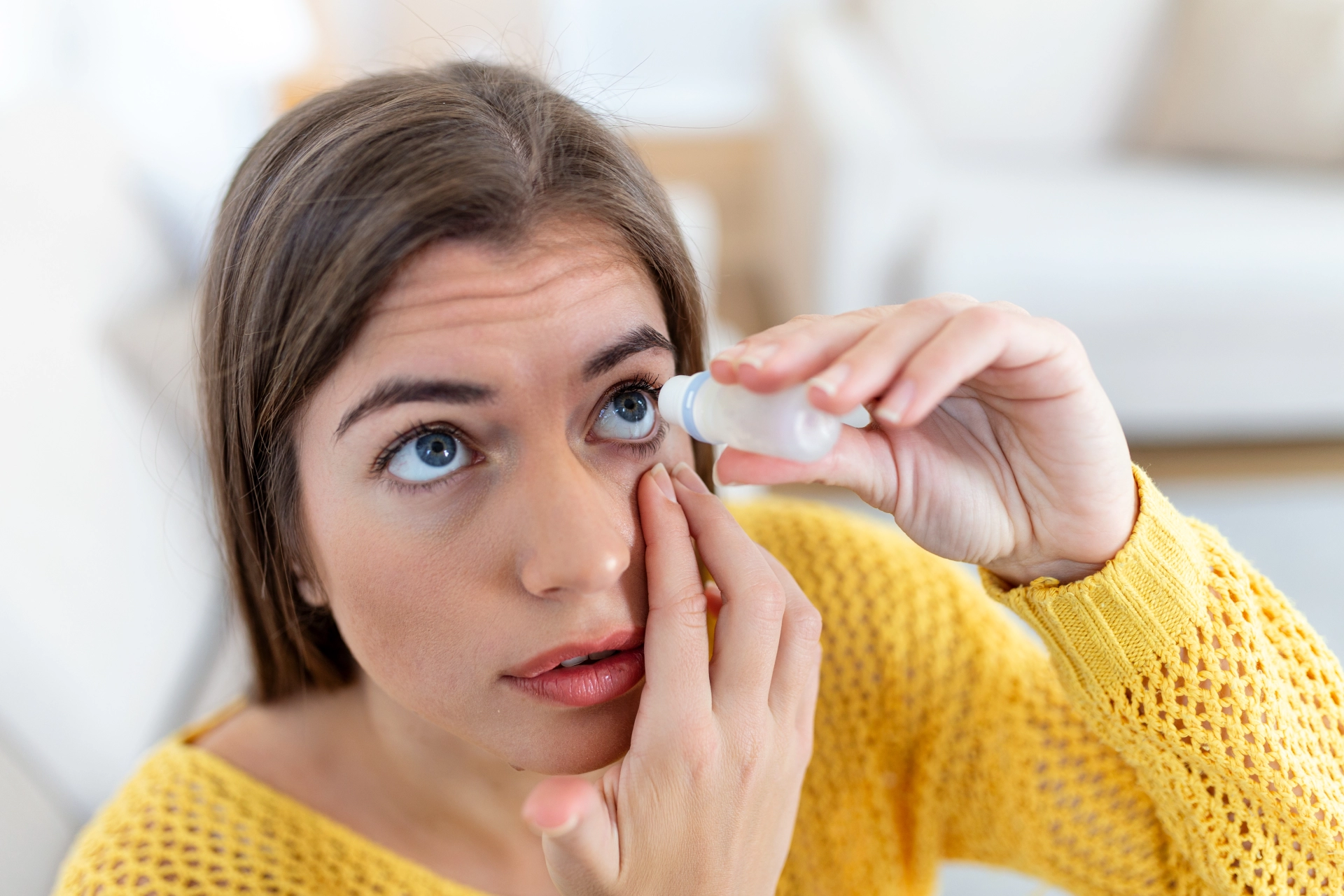
Remember, self-treatment can be dangerous, especially if the symptoms worsen or last for a long time. If you have a red eye, burning, or discharge, don't wait. Consult an ophthalmologist for a correct diagnosis and treatment.
Adult acne
07 July 2026
Acne is often thought of as a problem that disappears after the teenage years, but many adults continue to struggle with breakouts well into their 20s, 30s, 40s, and even later in life. Adult acne can be frustrating because it often appears unexpectedly, lasts longer than teenage acne, and may affect self-confidence as much as skin health.Although occasional pimples are common, frequent or persistent breakouts may signal that something more than skin type is involved. Hormonal changes, stress, lifestyle habits, and certain medical conditions can all contribute to acne in adulthood.Why does adult acne happen?Unlike adolescent acne, which is mainly driven by puberty, adult acne usually develops due to a combination of factors. Increased oil production, clogged pores, inflammation, and bacteria all play a role, but the underlying triggers are often different.Women are more likely than men to experience adult acne because hormone levels naturally fluctuate during the menstrual cycle, pregnancy, and perimenopause. However, men can also develop persistent or late-onset acne.Common causes of adult acneSeveral factors may contribute to breakouts, including:• Hormonal changes• Chronic stress• Genetics• Oily or pore-clogging skincare and cosmetic products• Certain medications• Lack of sleep• Diet in some individuals, particularly foods with a high glycemic index or excessive dairy intake• Underlying conditions such as polycystic ovary syndrome (PCOS)Often, more than one factor is involved, making adult acne difficult to manage without identifying the underlying cause.Signs that shouldn't be ignoredCommon signs include:• Persistent pimples that continue for weeks• Painful cysts or deep nodules• Breakouts around the jawline, chin, or neck• Blackheads and whiteheads• Skin tenderness or redness• Dark spots or acne scars after lesions healIf acne is severe, appears suddenly, or is accompanied by irregular menstrual cycles, excessive facial hair, or other hormonal symptoms, a medical evaluation may be recommended.Can adult acne be treated?The good news is that adult acne is treatable, although improvement usually takes time. Treatment depends on the cause and severity of the condition.Many people benefit from a gentle skincare routine that includes non-comedogenic products, regular cleansing, and daily sunscreen. Depending on individual needs, a healthcare professional may recommend topical medications, oral antibiotics, hormonal therapy, or other prescription treatments. Trying multiple over-the-counter products at once or scrubbing the skin aggressively often causes more irritation than improvement.Healthy lifestyle habits can also support skin health. Managing stress, getting enough sleep, eating a balanced diet, and avoiding smoking may help reduce flare-ups in some people, although lifestyle changes alone are not always enough to control acne.Adult acne is more than a cosmetic concern. Persistent breakouts can affect confidence and, if left untreated, may lead to permanent scarring. Seeking medical advice early can help identify possible underlying causes and provide effective treatment, allowing the skin to improve while reducing the risk of long-term damage.
Zinc: Why it's essential for immunity
03 July 2026
When people think about supporting their immune system, vitamin C usually comes to mind first. However, zinc is another essential nutrient that plays an equally important role in keeping the body healthy. Although the body only needs small amounts of zinc, it is involved in hundreds of biological processes that help maintain normal growth, wound healing, and immune function.Because the body cannot store large amounts of zinc, it must be obtained regularly through food or, when necessary, supplements. A long-term deficiency can gradually affect many parts of the body, often causing symptoms that are easy to overlook at first.Why does your body need zinc?Zinc helps the immune system recognize and fight harmful bacteria and viruses. It also supports the production of new cells, helps wounds heal properly, contributes to healthy skin, and plays a role in maintaining normal taste and smell. In children, zinc is especially important for healthy growth and development, while in adults it supports normal metabolism and tissue repair.Since zinc is involved in so many different functions, even a mild deficiency can have noticeable effects over time.Signs that your body may be low in zincMany symptoms of zinc deficiency develop gradually and can easily be mistaken for stress, fatigue, or a busy lifestyle. Some of the most common signs include:• Frequent colds or infections• Slow healing of cuts or wounds• Hair thinning or increased hair loss• Brittle nails• Dry or irritated skin• Reduced sense of taste or smell• Poor appetite• Persistent fatigueThese symptoms do not always mean that zinc levels are low, but if several of them occur together or persist for a long time, it is worth discussing them with a healthcare professional.Who is more likely to develop zinc deficiency?Although anyone can develop low zinc levels, some people are at greater risk than others. Older adults, pregnant or breastfeeding women, people with digestive disorders that reduce nutrient absorption, and those following restrictive diets may not get enough zinc. Individuals who consume little or no meat may also need to pay closer attention to their zinc intake, since animal-based foods are among the richest natural sources.How to get enough zincA balanced diet is usually the best way to meet your daily zinc needs. Good dietary sources include:• Beef, poultry, and seafood, especially oysters• Eggs and dairy products• Beans, lentils, and chickpeas• Nuts and seeds• Whole grainsSome people may require zinc supplements, but they should only be taken on the advice of a healthcare professional. Taking excessive amounts of zinc for long periods can interfere with the absorption of other important minerals, particularly copper.Supporting your immune system is about much more than taking a single vitamin or mineral. A healthy diet, regular physical activity, quality sleep, and stress management all work together to keep the immune system functioning properly. If you frequently become ill, notice slow wound healing, hair loss, or other persistent symptoms, medical evaluation can help identify whether a zinc deficiency or another underlying condition may be contributing to the problem.
Food poisoning: Symptoms, causes, and when to seek medical help
28 June 2026
Most people have experienced stomach discomfort after eating something that did not agree with them. In many cases, the symptoms pass quickly. Sometimes, however, the problem is food poisoning, which is a common condition that can leave you feeling much worse than a simple upset stomach.Food poisoning occurs when food or drinks are contaminated with harmful bacteria, viruses, parasites, or the toxins they produce. While most people recover within a few days, some cases can become serious, leading to dehydration and other complications, especially in young children, older adults, pregnant women, and people with weakened immune systems.Recognizing the symptoms early and understanding when medical attention is needed can help prevent more severe health problems.What is food poisoning?Food poisoning develops when contaminated food or beverages introduce harmful microorganisms or toxins into the digestive system. The illness can occur after eating food that has not been cooked, stored, or handled safely.Symptoms may begin just a few hours after eating contaminated food, but in some cases they can take several days to appear. The timing often depends on the specific bacteria, virus, or toxin responsible for the infection.Common symptoms of food poisoningThe symptoms can vary from person to person and depend on the cause of the illness. Common signs include:• Nausea and vomiting• Diarrhea• Stomach cramps or abdominal pain• Fever• Loss of appetite• Weakness and fatigue• Headache• Signs of dehydration, such as dry mouth, dizziness, or reduced urinationMost healthy adults recover without complications. However, repeated vomiting and diarrhea can cause the body to lose large amounts of fluids and electrolytes, making dehydration one of the most important concerns during food poisoning.How can you reduce your risk?Simple everyday habits can significantly lower the chance of food poisoning:• Wash your hands before preparing or eating food• Cook meat, poultry, seafood, and eggs thoroughly• Keep raw and cooked foods separate• Refrigerate perishable foods promptly• Wash fruits and vegetables before eating• Drink safe, clean water, especially while travelingThese small precautions may seem simple, but they are among the most effective ways to prevent foodborne illness and protect both yourself and your family.When should you seek medical attention?Although food poisoning often resolves on its own, medical evaluation is important if symptoms are severe or persistent. Seek medical care if you experience:• Severe dehydration or inability to keep fluids down• High fever• Bloody diarrhea• Severe abdominal pain• Vomiting that lasts more than a day• Diarrhea lasting more than two or three days• Confusion, extreme weakness, or signs of dehydrationEarly treatment may prevent complications, particularly in people who are at higher risk of severe illness.Most cases of food poisoning improve with rest, adequate hydration, and a gradual return to a normal diet. However, persistent vomiting, severe diarrhea, high fever, or signs of dehydration should never be ignored. If symptoms continue to worsen or do not improve within a few days, timely medical evaluation can help identify the cause, provide appropriate treatment, and reduce the risk of serious complications.
Vitamin B12 deficiency: Small symptoms that can become big problems
26 June 2026
Feeling tired all the time, forgetting simple things, or noticing tingling in your hands and feet may seem like ordinary signs of stress or a busy lifestyle. However, these symptoms can sometimes point to a vitamin B12 deficiency—a common condition that often develops slowly and goes unnoticed until it begins to affect daily life.Vitamin B12 plays a vital role in keeping the nervous system healthy, supporting the production of red blood cells, and helping the body convert food into energy. When levels become too low, many different parts of the body can be affected.What is vitamin B12 deficiency?Vitamin B12 deficiency occurs when the body does not have enough vitamin B12 to function properly. This may happen because a person does not consume enough of the vitamin, but more often it develops because the body cannot absorb it efficiently. Since the liver stores vitamin B12, it can take months or even years before symptoms appear. As a result, many people live with the deficiency without realizing that their health problems may have a common underlying cause.Early signs that are easy to overlookThe first symptoms are often mild and may gradually become more noticeable over time. Common signs include:• Persistent fatigue or weakness• Difficulty concentrating or "brain fog"• Tingling or numbness in the hands and feet• Dizziness or feeling lightheaded• Pale skin• Shortness of breath during physical activityBecause these symptoms can be caused by many different conditions, vitamin B12 deficiency is often discovered only after blood tests are performed.Who is at higher risk?Although anyone can develop a deficiency, some people are more likely to have low vitamin B12 levels, including:• Older adults• Vegetarians and vegans• People with digestive disorders that affect nutrient absorption• Individuals who have had stomach or intestinal surgery• People taking certain medications for heartburn or diabetes over a long periodKnowing these risk factors can help identify the problem before complications develop.Why early diagnosis mattersVitamin B12 deficiency affects more than energy levels. If it is left untreated, it may lead to anemia, balance problems, nerve damage, memory difficulties, and mood changes. While many symptoms improve after treatment, nerve damage may become permanent if the deficiency continues for too long.Fortunately, diagnosis is usually straightforward. Blood tests can measure vitamin B12 levels, and in some cases additional tests help determine the underlying cause.Can vitamin B12 deficiency be treated?In most cases, yes. Treatment depends on the reason for the deficiency. Some people simply need to improve their diet or take oral supplements, while others require vitamin B12 injections when absorption is significantly reduced.Regular follow-up is important to ensure that vitamin levels return to normal and symptoms improve. When treated early, most people recover well and avoid long-term complications.

Fill in the required fields

I am waiting for a call

We will help you quickly find what you need!

Thank you!
Our employee will contact you soon
Close
dalimed medical
How can we help?
Leave your number and we will call you back
Book a call
I agree with the terms of personal data processing
Thank you!
Our employee will contact you soon
Close