Dental Crowns: Everything You Need to Know About Restoring Teeth

Dental Crowns: Everything You Need to Know About Restoring Teeth

Dental Crowns: Everything You Need to Know About Restoring Teeth
Modern dentistry offers many ways to restore the health and aesthetics of teeth. One of the most reliable solutions is the installation of a dental crown—a "cap" that completely covers a damaged tooth and protects it from decay.

What is a Dental Crown?

A dental crown is a durable, tooth-shaped prosthetic that is placed over a natural tooth, like a cap. Before it is fixed, the dentist removes a small layer of enamel to ensure a perfect fit. Crowns are made from various materials: metal, ceramic, porcelain, resin, and combinations of these. The choice depends on the clinical situation and the patient's wishes.

When Is a Crown Needed?

A crown may be needed in a variety of cases:
• when a tooth is badly decayed or severely worn down
• to strengthen a weakened tooth
• for cracks and chips
• after root canal treatment
• to anchor a bridge
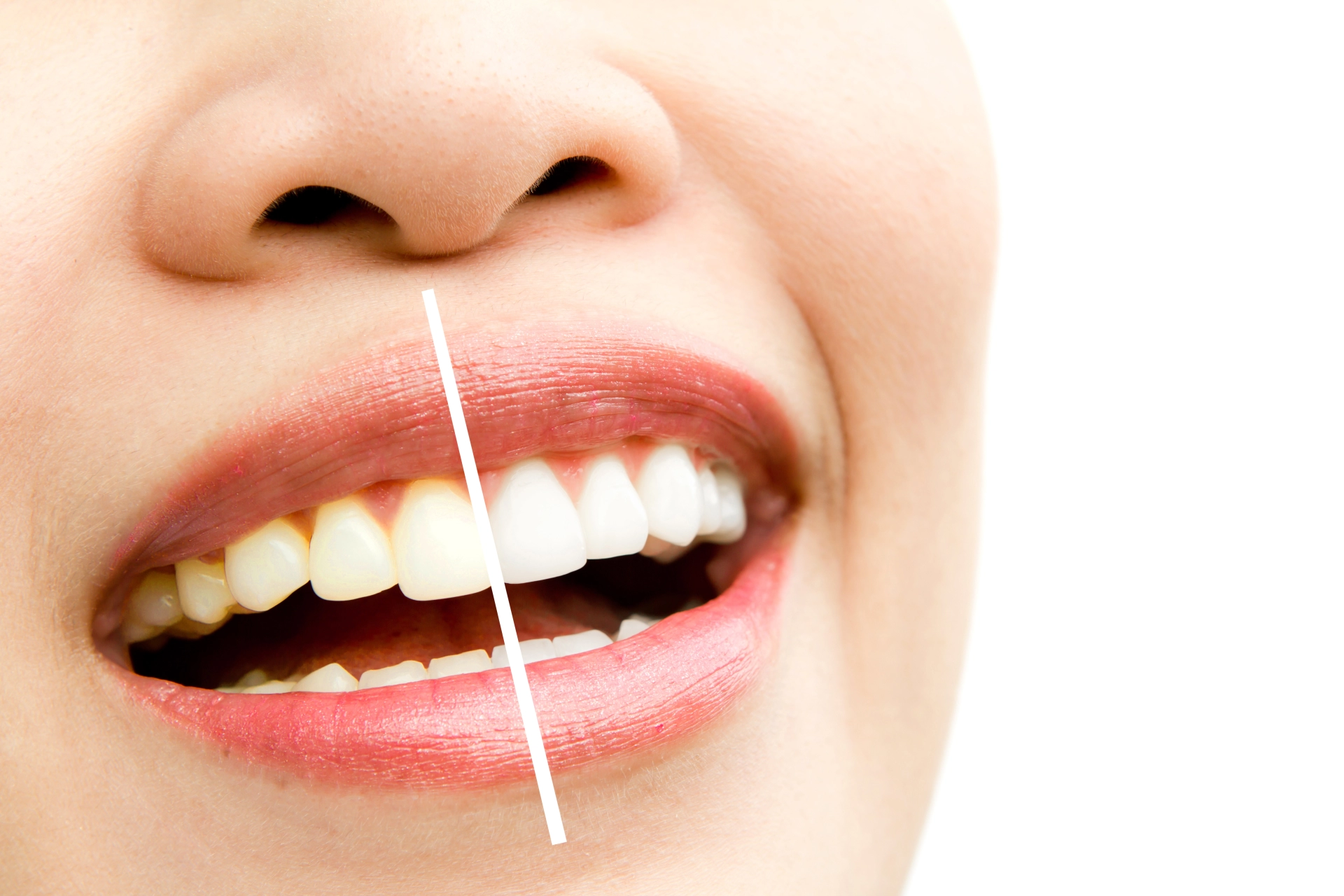
• for pronounced changes in enamel color
• after an implant
The main goal is to save the natural tooth, restoring its function and aesthetics.

Varieties of Dental Crowns

Metal

Made from gold, palladium, nickel, or chromium. They are known for their durability, resistance to chewing forces, and minimal tooth preparation. The main disadvantage is the metallic color, so they are more often placed on back teeth.

Porcelain-Fused-to-Metal (PFM)

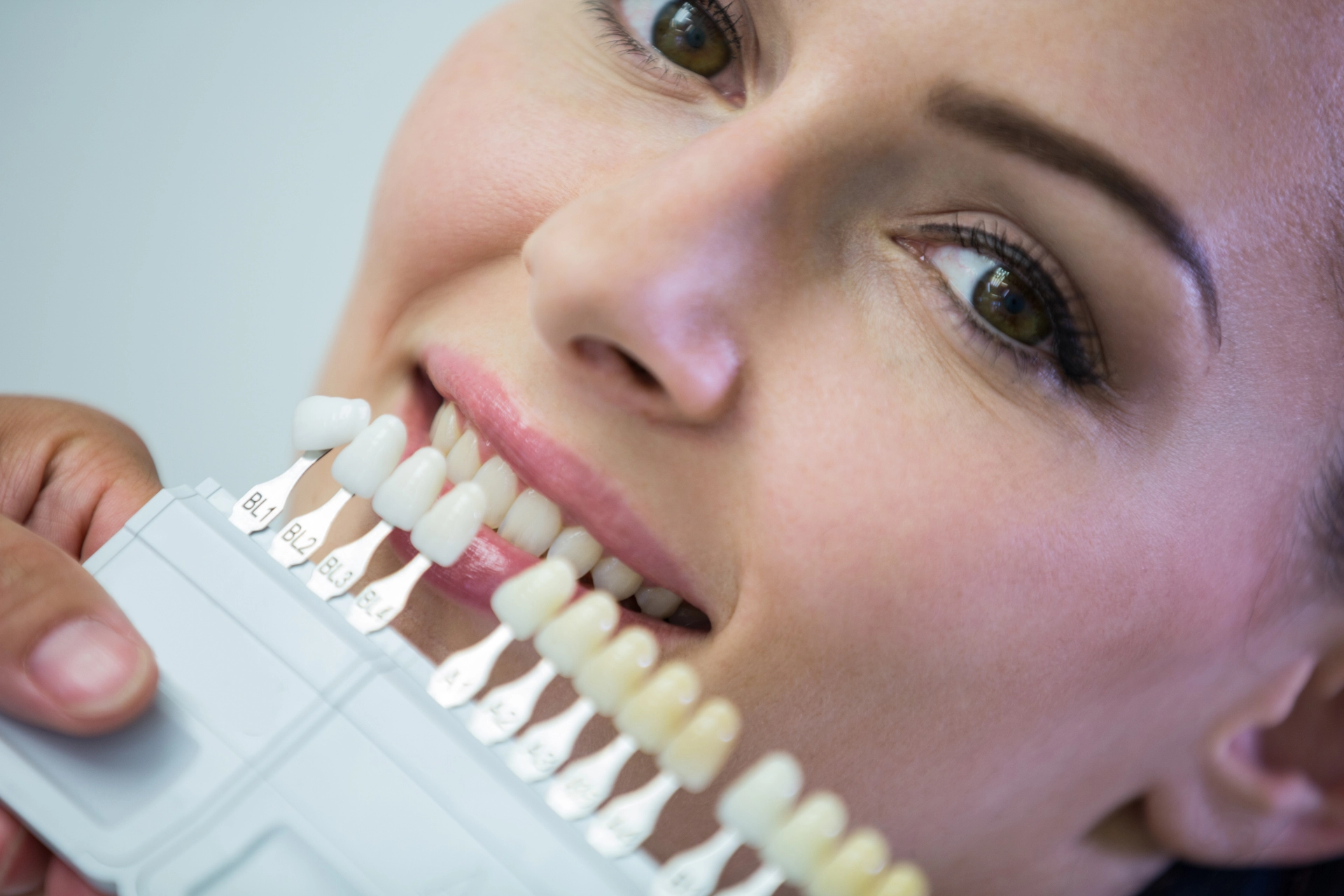
They combine the strength of metal with the aesthetics of porcelain. Their color can be matched to natural teeth. A disadvantage is that the porcelain can chip over time, and they can also wear down the enamel of opposing teeth.

Pressed Ceramic

A ceramic frame is used instead of a metal one. These crowns are very similar in appearance to natural teeth, but have the same risk of chipping as PFM crowns.

All-Ceramic / Porcelain

These have the most natural appearance, and crowns made of zirconium dioxide are especially popular. They are strong, durable, and suitable for patients with a metal allergy.

Pros and Cons

Advantages of crowns:

• restoration of chewing function
• protection of the tooth from decay
• improved appearance
• lifespan of 5 to 15 years (and sometimes up to 30 with good care)

Disadvantages:

• requires removal of enamel
• possible sensitivity in the first few weeks
• risk of chipping or coming loose
• high cost (depending on the material)

Care for Dental Crowns

For a crown to last a long time, you need to:
• brush your teeth twice a day with a soft-bristled brush and fluoride toothpaste
• floss daily
• use antiseptic mouthwash
• avoid very hard and sticky foods
• visit the dentist for check-ups and cleanings
• use a night guard for bruxism

Possible Sensations After Placement

Immediately after the procedure, the patient may feel slight sensitivity to hot and cold, as well as gum discomfort. These symptoms usually disappear within a few days.

Veneers or Crowns: What to Choose?

Veneers solve cosmetic problems: they hide cracks, chips, and pigmentation. Crowns are for restorative treatment: they strengthen and protect the tooth, restoring its function and aesthetics.

Conclusion
Dental crowns are a reliable and proven solution that allows you to save your natural teeth, restore a healthy smile, and regain your self-confidence. The choice of material and technology should be made together with your dentist, taking into account your needs, habits, and budget.
What is an occlusal guard?
17 December 2025
An occlusal guard is a removable dental appliance designed to protect the teeth and jaw from the harmful effects of teeth grinding and jaw clenching (bruxism). These habits usually occur during sleep and often go unnoticed, yet they can lead to serious dental and muscular problems over time. Many patients only discover they have bruxism after experiencing tooth sensitivity, jaw pain, headaches, or visible damage to their teeth. The occlusal guard is worn over the teeth—most commonly at night—and creates a protective barrier between the upper and lower jaws. Instead of teeth grinding directly against each other, biting forces are absorbed and evenly distributed by the guard. This reduces stress on the teeth, jaw joints, and facial muscles, helping prevent further damage and improve comfort upon waking. Occlusal guards are typically custom-made by a dentist using precise impressions or digital scans of the teeth. They are produced from durable dental materials such as acrylic or flexible plastic. Depending on the severity of bruxism, a dentist may recommend a soft, hard, or hybrid occlusal guard. Why Is an Occlusal Guard Needed? An occlusal guard helps protect oral health by: • Preventing enamel wear, cracks, and tooth fractures • Reducing jaw pain, muscle tension, and morning headaches • Minimizing tooth mobility, gum recession, and bone loss • Improving sleep quality and morning comfort How Does an Occlusal Guard Work? During sleep, an occlusal guard: • Prevents direct tooth-to-tooth contact • Absorbs and redistributes clenching pressure • Allows teeth to glide smoothly instead of grinding • Protects the jaw joints and surrounding muscles With consistent use and proper care, an occlusal guard is an effective, non-invasive solution for managing bruxism, preserving dental health, and maintaining long-term comfort.If you are experiencing symptoms of bruxism, visit Dalimed Medical Center for a professional consultation and a custom-fitted occlusal guard. Our specialists will help you preserve your dental health and ensure long-term comfort with a solution tailored specifically for you.
What is an AMH test?
15 December 2025
An AMH test measures the level of anti-müllerian hormone in your blood. This hormone is produced by the small follicles in your ovaries and reflects the number of eggs you have — your ovarian reserve. Higher AMH levels usually suggest more available eggs, while lower levels indicate fewer remaining eggs or a naturally declining reserve with age. Although AMH provides valuable insight into egg quantity, it cannot predict how easily you can get pregnant, whether fertility treatment will work or when menopause will begin. Healthcare providers use AMH testing to get a clearer picture of reproductive health. It helps determine if your ovaries are aging faster than expected, estimate how well you may respond to fertility medications and prepare for treatments such as IVF, where multiple mature eggs are needed. AMH can also be useful in identifying or tracking certain ovarian tumors, including granulosa cell tumors. AMH levels rise through adolescence, peak in your mid-20s and gradually decrease as you age. Typical levels range from 1.0 to 3.0 ng/mL, while anything below 1.0 is considered low. Levels may vary slightly depending on the laboratory equipment used. What an AMH test is used for: • Evaluating ovarian reserve, reproductive aging and potential response to fertility treatments like IVF. • Helping diagnose or monitor ovarian masses, especially granulosa cell tumors. The AMH test is a simple blood test that can be performed at any point in the menstrual cycle because AMH stays relatively stable throughout the month. You don’t need to prepare beforehand. If your sample is processed by a laboratory, results typically return within a few days. While at-home AMH kits are available, a specialist should always interpret the results. Fertility is influenced by many factors, including age, ovulation patterns, sperm quality, blocked fallopian tubes, pelvic conditions and uterine abnormalities — none of which AMH can measure. What an AMH test cannot tell you: • Your ability to conceive naturally, your exact fertility potential or the age you will reach menopause. • Other major fertility factors such as sperm count, ovulatory problems, fallopian tube blockage, endometriosis or uterine fibroids. In summary, an AMH test offers valuable information about your ovarian reserve, but it is only one part of the bigger fertility picture. Understanding your results with a qualified specialist ensures you get accurate guidance and a personalized plan for pregnancy or treatment options.
What Is Bradycardia?
11 December 2025
Bradycardia means your heart beats slower than normal — fewer than 60 beats per minute. For many people, especially athletes or those who are asleep, this can be completely normal. But sometimes a low heart rate signals a problem with the heart’s electrical system and may prevent the body from getting enough oxygen-rich blood. Many people with bradycardia feel no symptoms at all. Others may experience dizziness, fainting, unusual fatigue, shortness of breath or trouble concentrating. These symptoms appear when the heart isn’t pumping enough blood to meet the body’s needs. Even if you feel well, it’s important to talk to a healthcare provider if you notice that your heart rate is consistently lower than usual. Common causes include: • Age-related changes in the heart’s electrical pathways, electrolyte imbalances, underactive thyroid, sleep apnea and infections such as Lyme disease. • Heart conditions like cardiomyopathy or previous heart attacks, as well as certain medications including beta-blockers and calcium channel blockers. To diagnose bradycardia, doctors typically start with an electrocardiogram (ECG), though additional monitoring may be needed because slow heart rate episodes can come and go. Blood tests, echocardiograms, stress tests and sleep studies help identify underlying problems. Treatment depends on the cause. Sometimes adjusting medications or treating thyroid issues, infections or other conditions is enough to correct the heart rate. In more serious cases where the heart’s electrical system isn’t functioning properly, a pacemaker may be needed. If a person is healthy and has no symptoms — as is often the case with athletes — treatment might not be necessary. Seek emergency care if: • You have a low heart rate with chest pain, severe dizziness, difficulty breathing or fainting. • Your heart rate drops below 40 beats per minute and this isn’t normal for you. Bradycardia is often treatable and sometimes temporary. With early diagnosis and proper care, most people have a good outlook.
Benefits of a house call doctor
03 December 2025
House call medicine is returning in a big way, reshaping how people receive care in today’s fast-paced world. What once seemed like a tradition of the past is now a modern solution for patients who value comfort, convenience, and meaningful connections with their healthcare providers. As lifestyles shift, populations age, and technology continues to evolve, in-home healthcare has become a practical and patient-centered alternative to traditional clinic visits. Care that comes to you The most obvious advantage of a house call doctor is simple: you don’t have to go anywhere. For individuals with limited mobility, chronic conditions, busy schedules, or post-operative needs, traveling to a clinic can be physically uncomfortable and emotionally draining. A home visit eliminates transportation challenges entirely, allowing the patient to stay in a familiar space while receiving professional care.Even for those who are otherwise healthy, having medical services brought to the doorstep adds a layer of ease that traditional appointments rarely offer. A more personal approach House call visits naturally allow for deeper, unhurried interactions. Without the rush of a clinic environment, providers can listen more closely, ask more thoughtful questions, and observe subtle details that might otherwise be missed. This extra time helps build a stronger relationship based on trust and understanding. Patients often find it easier to express concerns openly when they feel relaxed and unpressured—something that’s harder to achieve during quick, crowded office visits. Seeing the whole picture When care happens at home, providers gain a clearer understanding of a patient’s daily life. They can observe environmental factors that influence health—sleep setups, mobility challenges, fall risks, medication storage, dietary patterns, or stressors within the household. These small details often provide big insights. Better management of chronic conditions Chronic conditions such as heart disease, diabetes, COPD, and dementia often benefit greatly from consistent in-home oversight. Regular visits help keep symptoms under control, monitor progress, and adjust treatments before problems worsen. For many patients, this ongoing support means fewer complications and a stronger sense of stability. Comfort, privacy, and peace of mind Many patients feel anxious in clinical settings. Exams, bright lights, unfamiliar rooms, and long waits can create stress, especially for older adults, children, or those with anxiety. At home, the patient is surrounded by their own environment—familiar objects, comforting routines, and supportive family members. This sense of comfort encourages honest conversation and helps patients feel more in control of their care. Support for aging in place As the senior population grows, more older adults are choosing to remain at home for as long as possible. House call doctors play a crucial role in making this safe and achievable. They provide routine checkups, medication guidance, wellness monitoring, and post-operative care—all without the patient needing to travel. The future of healthcare is at home House call doctors offer a level of comfort, personalization, and meaningful connection that traditional clinics often struggle to match. As healthcare continues shifting toward patient-centered, flexible, and relationship-focused models, in-home care stands out as a powerful and modern solution. For many, it isn’t just a convenient option—it’s the best way to receive care.

Fill in the required fields

I am waiting for a call

We will help you quickly find what you need!

Thank you!
Our employee will contact you soon
Close
dalimed medical
How can we help?
Leave your number and we will call you back
Book a call
I agree with the terms of personal data processing
Thank you!
Our employee will contact you soon
Close