
Why is my hair falling out?
Why is my hair falling out?
Finding more hair than usual on your pillow, in the shower, or on your hairbrush can be worrying. While losing some hair every day is completely normal, noticeable or persistent hair loss may be a sign that your body is trying to tell you something. In many cases, hair loss is temporary and can improve once the underlying cause is identified and treated.
Hair growth depends on many factors, including genetics, hormones, nutrition, overall health, and lifestyle. Because of this, hair loss is not always a problem with the hair itself, it can sometimes reflect changes occurring elsewhere in the body.
Common causes of hair loss
Hair loss can happen for many different reasons. Sometimes there is a single cause, but often several factors contribute at the same time.
Some of the most common causes include:
• Stress or emotional trauma
• Hormonal changes, including pregnancy or menopause
• Thyroid disorders
• Iron deficiency
• Vitamin and mineral deficiencies
• Certain medications
• Rapid weight loss or restrictive diets
• Genetics
• Autoimmune conditions
• Scalp disorders or infections
Temporary hair shedding often develops several weeks or months after a stressful event, illness, surgery, or significant lifestyle change. Fortunately, hair usually begins to regrow once the body recovers.
The role of vitamins and nutrition
Healthy hair requires a steady supply of nutrients. When the body lacks essential vitamins or minerals, it may prioritize vital organs over hair growth, leading to increased shedding or slower regrowth.
Several nutrients play an important role in maintaining healthy hair, including:
• Iron
• Vitamin D
• Vitamin B12
• Zinc
• Folate
• Protein
Although vitamin deficiencies can contribute to hair loss, taking supplements without confirmed deficiency is not always beneficial and, in some cases, may even be harmful. A balanced diet and appropriate medical evaluation are the safest approach.
When is hair loss a reason for concern?
It is normal to lose around 50 to 100 hairs each day. However, you should pay closer attention if you notice:
• Hair shedding that continues for several weeks or months
• Thinning hair or a widening part
• Bald patches or sudden areas of hair loss
• Increased hair loss after brushing or washing
• Hair loss accompanied by fatigue, weight changes, irregular menstrual cycles, or other new symptoms
These signs may indicate an underlying health condition that requires medical attention rather than simply a cosmetic solution.
Why regular checkups matter
Many people focus on shampoos, oils, or hair treatments while overlooking the possibility that hair loss may begin inside the body. Routine medical checkups and laboratory tests can help identify conditions that are not always obvious in the early stages.
Depending on your symptoms, your healthcare provider may recommend tests to evaluate iron levels, vitamin B12, vitamin D, thyroid function, blood sugar, or hormone balance. Detecting these problems early not only supports healthier hair but also helps protect your overall health.
Can hair loss be treated?
In many cases, yes. The best treatment depends on the underlying cause. Correcting nutritional deficiencies, managing thyroid disease, improving stress levels, treating hormonal disorders, or adjusting certain medications may significantly reduce hair loss and encourage new hair growth. For hereditary hair loss, specific medical treatments may also help slow progression and preserve existing hair.
Hair loss should never be ignored if it is persistent, worsening, or accompanied by other symptoms. Early medical evaluation can identify the underlying cause before it progresses and help prevent long-term hair thinning. Taking care of your overall health, including eating a balanced diet, maintaining healthy vitamin levels, and attending regular medical checkups, is one of the most effective ways to support strong, healthy hair.

Gastritis: What Can Irritate Your Stomach?
02 September 2026
Stomach discomfort is something many people experience from time to time. Burning, nausea, fullness, or pain in the upper part of the abdomen can easily be blamed on a heavy meal or stress. However, when these symptoms appear repeatedly, gastritis may be one of the possible reasons.Gastritis refers to inflammation of the stomach lining. It can develop suddenly or gradually and may have different causes. Understanding what can irritate the stomach is important, but persistent symptoms should not simply be ignored.What can cause gastritis?One common cause of gastritis is an infection with Helicobacter pylori, a bacterium that can affect the stomach lining. Some people carry this infection without noticeable symptoms, while others may develop inflammation or other stomach problems.Certain medications can also irritate the stomach. Frequent or prolonged use of some pain relievers, particularly nonsteroidal anti-inflammatory drugs, may damage the protective lining of the stomach.Other factors that may contribute include:• Excessive alcohol consumption • Smoking • Severe physical stress, such as serious illness or injury • Certain autoimmune conditions Although everyday stress is often blamed for every stomach problem, it is not always the direct cause of gastritis. However, stress can worsen digestive symptoms and make existing discomfort feel more intense.What symptoms can gastritis cause?The symptoms of gastritis can vary. Some people may have no obvious symptoms, while others experience recurring discomfort. Common complaints include:• Burning or aching pain in the upper abdomen • Nausea or occasional vomiting • Feeling full unusually quickly during meals • Bloating or uncomfortable fullness • Loss of appetite • Indigestion These symptoms can also occur with other digestive conditions, which is why self-diagnosis is not always reliable.Can food make gastritis worse?Food does not always cause gastritis, but certain foods and drinks can irritate an already sensitive stomach and worsen symptoms. Spicy or very fatty meals, alcohol, and large portions may cause discomfort in some people.The triggers are not exactly the same for everyone. Paying attention to which foods make your symptoms worse can be helpful, but extremely restrictive diets are not always necessary.When should you see a doctor?Occasional stomach discomfort does not always mean gastritis. However, recurring or persistent symptoms deserve attention, especially when they interfere with eating or everyday life.Seek medical advice if you experience persistent stomach pain, frequent vomiting, unexplained weight loss, difficulty swallowing, or signs of gastrointestinal bleeding, such as vomiting blood or black stools.Taking care of your stomachLooking after digestive health does not mean avoiding every food you enjoy. Simple habits can often help reduce irritation and discomfort:• Avoid taking pain medications unnecessarily or without medical advice. • Limit foods or drinks that clearly trigger your symptoms. • Avoid smoking and excessive alcohol consumption. • Try to eat regular meals rather than skipping meals and overeating later. • Seek medical advice when symptoms continue instead of repeatedly treating them on your own. Gastritis can have different causes, and stomach discomfort is not always a simple reaction to food. Repeated burning, nausea, pain, or fullness should be taken seriously, particularly when symptoms continue for weeks. Identifying the underlying cause is the most important step toward choosing the right treatment and preventing further irritation of the stomach lining.

Follow-Up Ultrasound: Why Is It Needed?
31 August 2026
Having an ultrasound and then being told that you need another one can sometimes cause unnecessary worry. Many people immediately assume that something serious has been found. In reality, a follow-up ultrasound is often recommended simply because the doctor needs more information or wants to monitor a finding over time.Ultrasound provides a picture of what is happening inside the body at a particular moment. Sometimes one examination is enough, while in other cases comparing images taken at different times can give a clearer understanding of the situation.To monitor a previously detected changeOne of the most common reasons for a follow-up ultrasound is to check whether a previously noticed change has remained the same, disappeared, or changed over time. For example, an ultrasound may show a small cyst, a benign-looking formation, or another change that does not require immediate treatment. Instead of making decisions based on a single examination, the doctor may recommend repeating the ultrasound after a certain period. This does not necessarily mean that the finding is dangerous. Often, follow-up is simply a way to make sure that everything remains stable.When the first image was not clear enoughSometimes the results of an ultrasound are limited by factors such as the position of an organ, intestinal gas, or the way the area can be seen during the examination. In these cases, a repeat ultrasound may provide a clearer image. Preparation can also make a difference. Some examinations require fasting or a full bladder, and following these instructions carefully can help improve the quality of the images.To see whether a condition is changingA follow-up ultrasound can also help monitor a known health condition. Comparing new images with previous ones may show whether a particular area has improved, remained stable, or changed. This can be useful for different organs and body systems and may help the doctor decide whether further tests or treatment are needed.During pregnancyFollow-up ultrasounds are also common during pregnancy. They may be recommended to monitor the baby's growth, check development, or take another look at something that was not clearly visible during an earlier examination.A repeat scan does not automatically mean there is a problem. Sometimes the timing or position of the baby simply makes it difficult to get all the necessary information during one appointment.Should you worry about a follow-up ultrasound?Not necessarily. A recommendation for another ultrasound is often part of careful monitoring rather than a sign of a serious health problem. The purpose is usually to gather more information and compare changes over time.A follow-up ultrasound is often about observation rather than alarm. It gives doctors an opportunity to look again, compare results, and better understand what is happening inside the body. Regular monitoring, when recommended, can help identify meaningful changes early and ensure that any next steps are based on a clearer picture.
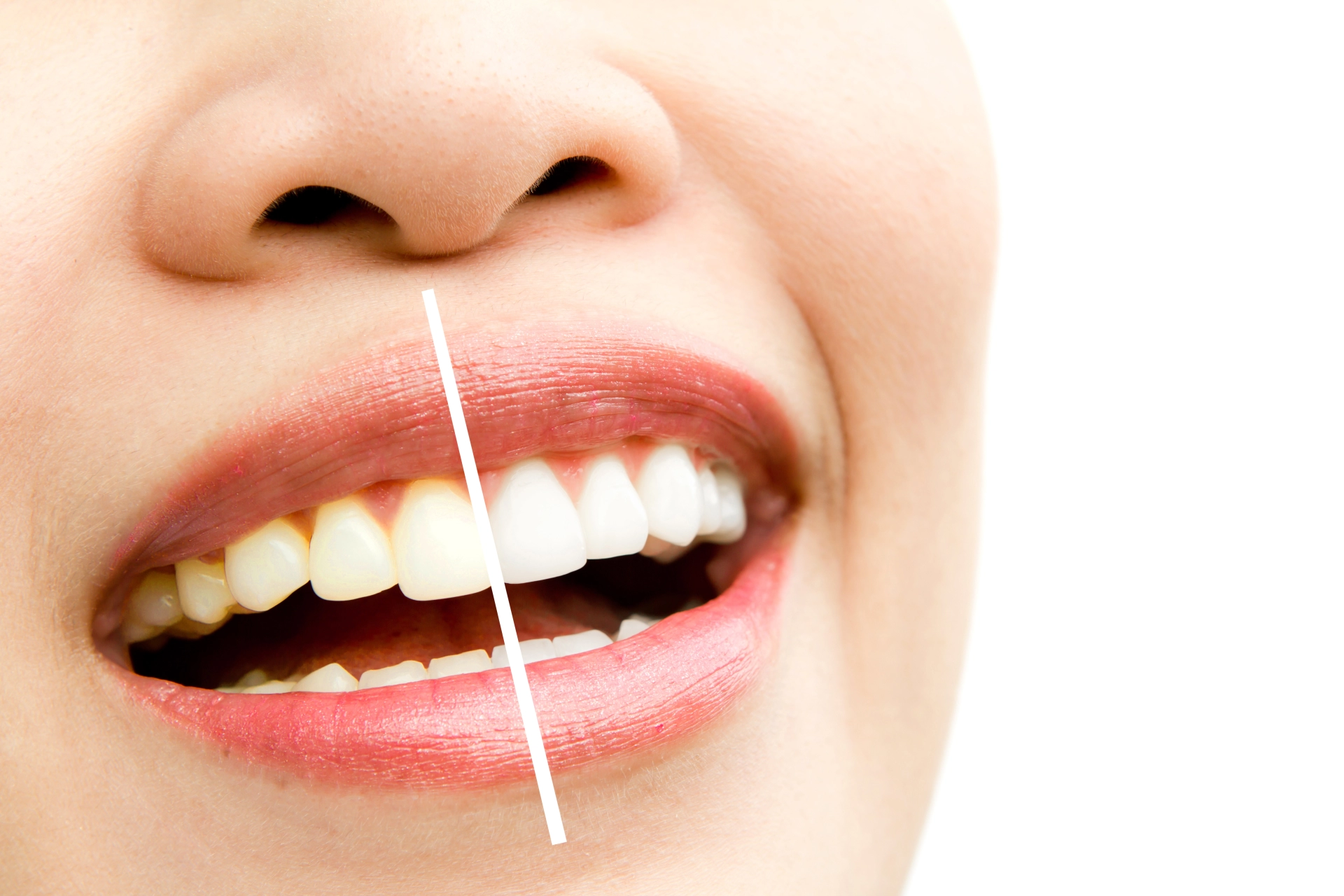
Yellow teeth: What causes tooth discoloration?
27 August 2026
Noticing that your teeth are looking more yellow than they used to can be frustrating, especially when you try to keep a good oral hygiene routine. But yellowish teeth are not always a sign that something is wrong. Natural tooth color varies from person to person, and teeth can become darker or more yellow with age.Still, discoloration can sometimes be linked to habits, food, medications, or dental problems. Understanding the possible cause can help you decide whether you simply need better daily care or a dental checkup.Why do teeth become yellow?Teeth are not naturally bright white. The outer layer, called enamel, is slightly translucent, so the naturally yellowish dentin underneath can show through. As enamel becomes thinner with age, this natural color may become more noticeable.Other factors can also change the color of your teeth. Common causes include:• Coffee, tea, and other dark-colored drinks can gradually stain the surface of the teeth. • Smoking and tobacco use can cause noticeable yellow or brown staining. • Poor oral hygiene allows plaque to build up and can make teeth look darker or less clean. • Certain foods and drinks, including some berries, sauces, and soft drinks, may contribute to staining. • Aging naturally changes the appearance of teeth as enamel wears down over time. Sometimes discoloration is not only on the surface. Changes inside the tooth can also make it appear darker or yellow.Can medications affect tooth color?Yes. Some medications can cause tooth discoloration, particularly when teeth are developing during childhood. Certain antibiotics, such as tetracyclines, are known to cause permanent changes in tooth color when used during tooth development.Fluoride exposure during tooth development can also cause changes in the appearance of enamel, known as dental fluorosis. The appearance can range from faint white marks to more noticeable discoloration.If you notice a change in tooth color after starting a medication, do not stop taking it on your own. Instead, talk to your dentist or doctor.Does yellow mean unhealthy teeth?Not necessarily. A slightly yellow or cream-colored tooth can be completely healthy. The natural color of teeth differs between people, and perfectly white teeth are not a requirement for good oral health.However, discoloration accompanied by pain, sensitivity, bad breath, bleeding gums, visible holes, or changes in a single tooth deserves attention. A dentist can determine whether the change is simply cosmetic or related to a dental problem.How can you prevent tooth discoloration?You cannot completely prevent your teeth from changing color over time, but everyday habits can help keep them looking cleaner and healthier:• Brush your teeth twice a day with fluoride toothpaste. • Clean between your teeth regularly with floss or another suitable interdental cleaner. • Limit frequent consumption of foods and drinks that strongly stain teeth. • Avoid smoking and tobacco products. • Visit your dentist regularly for professional examinations and cleaning. If you drink coffee, tea, or other staining beverages frequently, rinsing your mouth with water afterward can also help reduce the amount of staining left on your teeth.What about teeth whitening?Whitening can improve the appearance of stained or naturally darker teeth, but it is not suitable for every situation. Professional whitening and whitening products work differently depending on the type and cause of discoloration.It is best to have your teeth checked before whitening, particularly if you have cavities, gum problems, damaged enamel, or significant sensitivity. A dental specialist at Dalimed Medical Center can assess the cause of the discoloration and help you choose a safe whitening or treatment option suited to your teeth.

Blurred vision: What can cause it?
24 August 2026
Blurred vision is something almost everyone experiences at some point. Sometimes it is temporary and harmless, such as after a long day in front of a screen or when your eyes are dry. But if your vision suddenly becomes blurry, keeps getting worse, or comes with other symptoms, it may be a sign that your eyes or overall health need attention.Because blurred vision can have many different causes, it is important not to ignore persistent or unexplained changes.What does blurred vision mean?Blurred vision means that objects do not appear as sharp or clear as they normally do. It can affect one eye or both eyes and may happen when looking at something close up, far away, or at all distances.The problem may develop gradually or appear suddenly. Some people describe their vision as hazy, foggy, or out of focus, while others may notice difficulty reading or recognizing details.Common causes of blurred visionNot every episode of blurred vision means that something serious is wrong. Common causes include:• Refractive errors, such as nearsightedness, farsightedness, or astigmatism • Dry eyes, which can temporarily make vision fluctuate or appear blurry • Eye strain, especially after spending a long time looking at phones, computers, or other screens • Contact lens problems, including wearing lenses for too long or not caring for them properly • Migraine, which can sometimes cause temporary visual changes In many of these situations, the problem improves once the underlying cause is addressed. However, repeated or persistent blurring should still be evaluated by an eye-care professional.Health conditions that can affect visionBlurred vision can sometimes be connected to conditions that affect the eyes or the rest of the body. Cataracts, glaucoma, retinal problems, and other eye diseases may cause changes in vision.Blood sugar levels can also affect eyesight. High blood glucose may temporarily change the shape of the eye's lens and cause blurred vision. Over time, diabetes can damage the blood vessels in the retina and lead to more serious vision problems.High blood pressure and certain neurological conditions can also affect vision, which is why unexplained changes should not always be treated as simply an eye problem.When should blurred vision be checked?If blurry vision continues, regularly returns, or gradually gets worse, it is a good idea to schedule an eye examination. Regular eye checkups can sometimes detect changes before noticeable vision loss develops.You should seek urgent medical attention if blurred vision appears suddenly, particularly if it affects only one eye or occurs together with symptoms such as severe eye pain, flashes of light, a sudden increase in floaters, loss of part of your visual field, severe headache, weakness, difficulty speaking, or confusion.These symptoms can sometimes indicate an emergency that requires immediate treatment.How can you protect your vision?Taking care of your eyes is not only about reacting when your vision changes. Simple habits can help protect eye health over time:• Have regular eye examinations, even if your vision seems normal. • Give your eyes regular breaks when using screens for long periods. • Wear appropriate sunglasses to reduce exposure to harmful ultraviolet radiation. • Eat a balanced diet that provides essential nutrients. • Keep conditions such as diabetes and high blood pressure under control. • Follow proper hygiene and care instructions if you wear contact lenses. Blurred vision is common, but it should not automatically be dismissed as tired eyes or too much screen time. Sometimes it is caused by something simple, while in other cases it can be an early sign of an eye or health condition. Paying attention to when the blurring occurs, whether it affects one or both eyes, and whether other symptoms are present can help a doctor determine the cause and choose the right treatment.

Fill in the required fields
We will help you quickly find what you need!
Thank you!
Our employee will contact you soon
Our employee will contact you soon