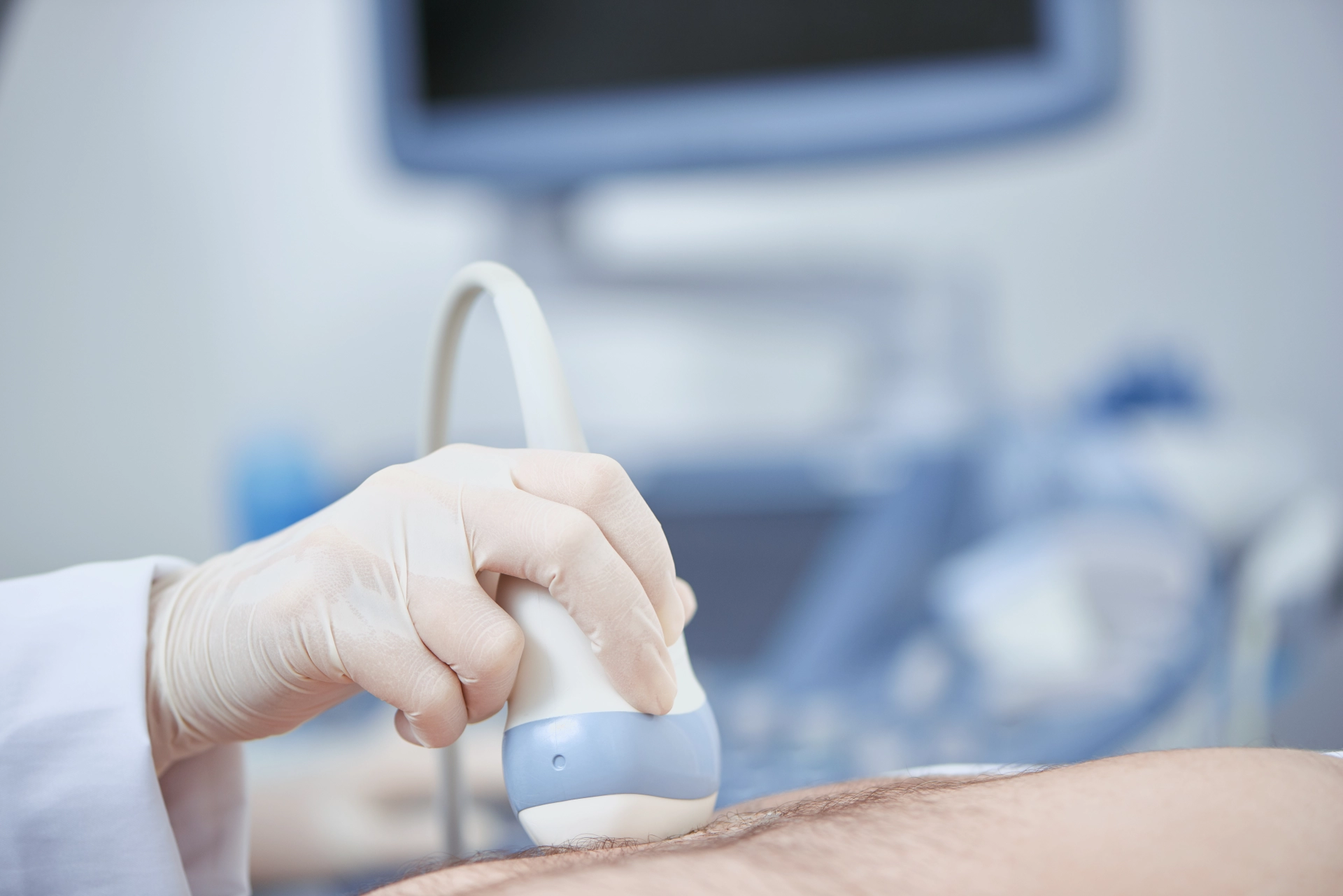
High Blood Pressure – The Silent Danger

High Blood Pressure – The Silent Danger

High Blood Pressure – The Silent Danger
High blood pressure, or hypertension, is a disease that's quiet but ends in catastrophic consequences. It's often called a "

silent killer

" because it can develop for years without obvious symptoms. Initially, there are no alarms or warning signs. But later, it can lead to a heart attack, stroke, or kidney failure. However, it is possible to prevent it if you know what to look for.

What is High Blood Pressure?

 
Blood pressure is considered high when its systolic (upper) value exceeds 140 mmHg and its diastolic (lower) value exceeds 90 mmHg. In this state, the body is under constant stress, threatening the health of the heart, brain, kidneys, and other organs.

Why is Hypertension Dangerous? 

The danger isn't the pressure increase itself, but the consistently elevated state of the pressure, which causes a thickening of the blood vessels, heart enlargement, and impaired blood circulation. Hypertension can lead to:
• Myocardial infarction
• Stroke
• Kidney failure
• Sudden death
• Worsening vision and blindness

Types of Hypertension

 
There are two main forms of hypertension:

Primary (Essential)

: Develops without a clear cause but is linked to genetics, stress, and lifestyle.

Secondary (Symptomatic)

: Is a consequence of other diseases, such as kidney, thyroid, heart, or hormonal disorders. Unlike primary hypertension, secondary hypertension often progresses more aggressively, requiring prompt identification and targeted treatment of the underlying cause.

Stages and Grades of Hypertension

 
Doctors evaluate the progression of the disease according to the following criteria:
Stages:

Stage 1

: No organ damage.

Stage 2

: Minor damage to target organs: heart, brain, kidneys.

Stage 3

: Heart attack, stroke, or kidney failure are already present.
Grades:

Optimal Pressure

: Around 120/80 mmHg.

Grade 1 Hypertension

: Systolic pressure is 140-159, and diastolic is 90-99.

Grade 2 Hypertension

: Systolic is 160-179, and diastolic is 100-109. At this stage, constant medication control is needed.

Grade 3 Hypertension

: Pressure exceeds 180/110. This is a high-risk condition for acute damage to the heart, brain, and kidneys.

Hypertensive Crisis

 
A hypertensive crisis is one of the most dangerous manifestations of hypertension. It's an acute condition where blood pressure rises sharply, accompanied by headaches, vision disturbances, heart palpitations, chest pain, or difficulty breathing. If not treated in time, a hypertensive crisis can lead to a cerebral hemorrhage or a heart attack.

Who is at Risk? 

Factors contributing to the development of hypertension can be divided into two groups:

Non-modifiable (genetic, biological)

:
Age (especially after 40)
Gender (men more often until 60, women in the postmenopausal period)
Heredity

Modifiable (lifestyle-related)

:
Overweight
Sedentary lifestyle
Salty, fatty foods
Stress
Smoking, alcohol
Sleep disorders
Chronic diseases like diabetes or kidney problems

Organs at Risk

 
High blood pressure primarily targets organs that perform the most vital functions:
• Heart: Left ventricular hypertrophy, angina, heart attack.
• Brain: Stroke, memory loss, thrombosis.
• Kidneys: Decreased filtration, kidney failure.
• Eyes: Retinopathy, sharp vision deterioration.
• Vessels: Aortic dilation, aneurysm.

How to Know if Your Blood Pressure is High

 
The biggest problem with hypertension is that it can be asymptomatic for a long time. However, people sometimes report:
• Headaches, especially in the neck
• Dizziness
• Heart palpitations
• Blurred vision
• Sleep disturbances
• Decreased work capacity
• Spontaneous fatigue

What to Do if You Already Have High Blood Pressure

 
Hypertension is treatable, but not just with medication. The first step is to change your lifestyle. It is recommended to:
• Measure your blood pressure regularly. If it's often high, consult a doctor.
• Limit salt and animal fats.
• Try to lose weight if you are overweight.
• Avoid tobacco and alcohol.
• Be physically active. Just 30 minutes of walking a day can make a significant difference.
• Manage stress, as mental tension is a silent enemy of the heart.
• Follow your doctor's instructions and do not stop taking medication on your own.
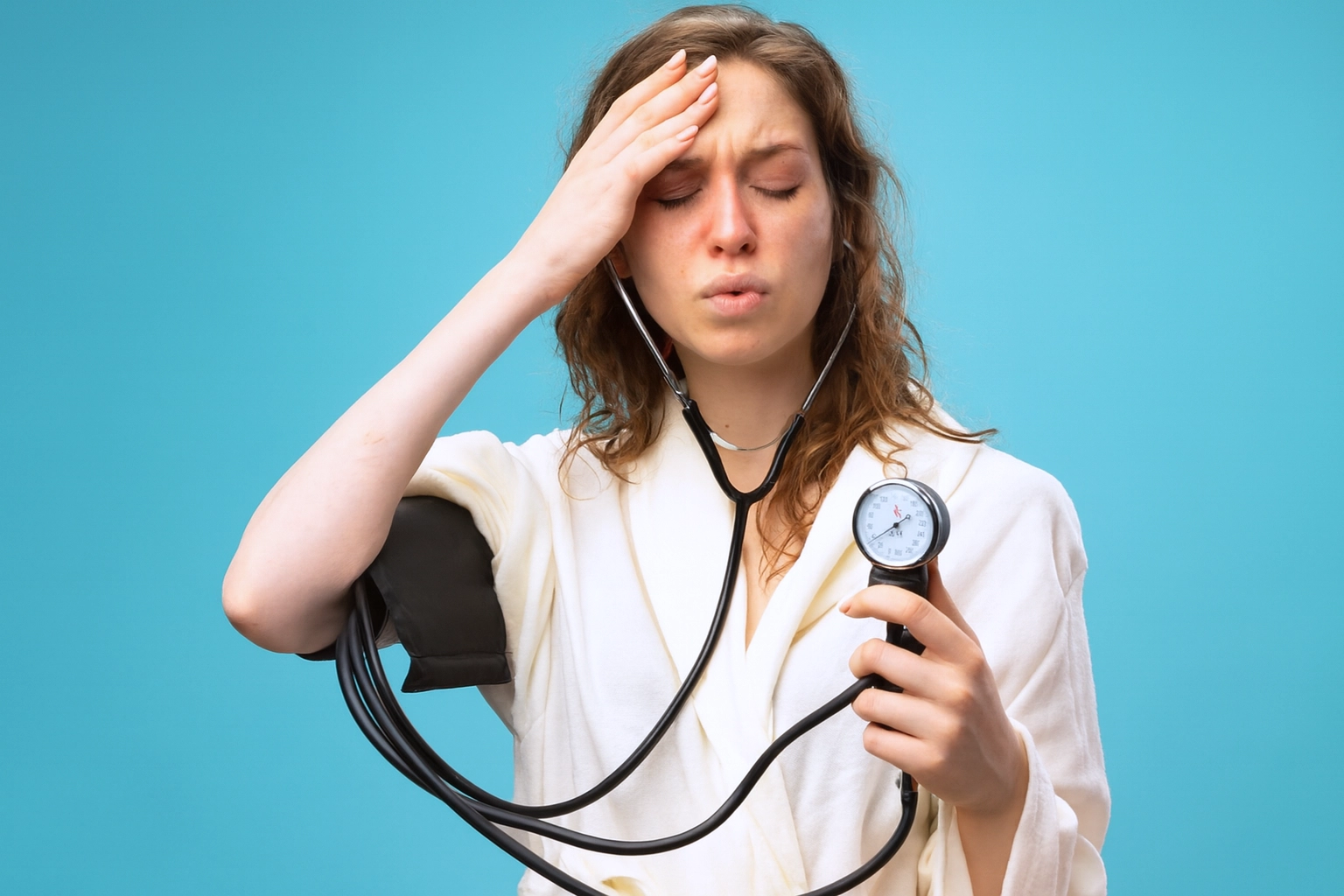
What Is Appendicitis?
16 February 2026
Appendicitis is a condition in which the appendix becomes inflamed and swollen. The appendix is a small, finger-shaped pouch attached to the lower right part of the large intestine. Although it is not essential for survival, its inflammation can quickly become dangerous if not treated in time. Appendicitis usually occurs when the appendix becomes blocked by hardened stool, swollen lymphatic tissue or infection. Bacteria multiply inside the blocked appendix, causing swelling, reduced blood flow and tissue damage. If untreated, the appendix may rupture and spread infection into the abdominal cavity. For this reason, appendicitis is considered a medical emergency. It most commonly affects people between 10 and 30 years of age, but it can occur at any age. Signs and Symptoms Early recognition is very important. Typical symptoms include: • Pain that begins near the belly button • Pain that moves to the lower right abdomen • Increasing abdominal pain • Nausea and vomiting • Loss of appetite Other possible symptoms may include: • Fever • Abdominal tenderness • Pain that worsens with movement or coughing • Bloating • Constipation or, in some cases, diarrhea Children, elderly individuals and pregnant women may not have typical symptoms. If the appendix ruptures, severe abdominal pain, high fever and signs of widespread infection may develop. This requires immediate emergency care. Diagnosis A healthcare provider evaluates symptoms, performs a physical examination and may order tests such as: • Blood tests • Abdominal ultrasound • CT scan These help confirm appendicitis and rule out other conditions. Treatment Appendicitis requires urgent treatment. Antibiotics are given to treat and prevent infection. In very early and mild cases, antibiotics alone may temporarily improve symptoms, but recurrence is common. Surgery (appendectomy) is the standard and most reliable treatment. The appendix is usually removed within 24 hours of diagnosis to prevent rupture. Most surgeries are performed laparoscopically, allowing faster recovery. In complicated cases, open surgery may be necessary. The appendix is not a vital organ, and people live normal lives after its removal. Complications and Recovery If untreated, appendicitis may lead to rupture, abscess, peritonitis or sepsis. Early treatment greatly reduces these risks. Most patients recover completely, especially with early care. After uncomplicated surgery, many return home within 24 hours and fully recover within several weeks. Seek immediate medical attention if you experience persistent or worsening pain in the lower right abdomen, especially with fever, nausea or vomiting.
10 Tips to Prevent Breast Cancer
11 February 2026
Breast cancer is influenced by many factors. Some—such as genetics, age, and family history—cannot be changed. However, research shows that healthy lifestyle choices combined with regular screenings can significantly lower risk and improve early detection. Although prevention cannot be guaranteed, proactive steps can reduce your chances of developing breast cancer and increase the likelihood of detecting it early, when treatment is most effective. 1. Maintain a healthy weight Excess weight, especially after menopause, increases risk because fat tissue produces estrogen. Maintain a stable, healthy weight through balanced nutrition and regular activity. 2. Stay physically active Exercise helps regulate hormones and control weight. Aim for 150 minutes of moderate activity or 75 minutes of vigorous exercise weekly, plus strength training twice a week. 3. Limit alcohol Alcohol increases breast cancer risk. If you drink, limit it to one drink per day—or avoid it entirely. 4. Choose a balanced diet There is no single “anti-cancer diet,” but eating fruits, vegetables, whole grains, legumes, and healthy fats supports overall health. Reduce processed meat, red meat, sugary drinks, and heavily processed foods. 5. Avoid smoking Smoking is linked to many cancers, including breast cancer. Quitting greatly benefits overall health. 6. Breastfeed if possible Breastfeeding may slightly reduce risk, especially when continued longer. 7. Use hormones carefully Hormone replacement therapy and some hormonal contraceptives may slightly increase risk. Always discuss options with your doctor and use the lowest effective dose for the shortest time. 8. Know your family history Understand cancer history on both sides of your family. 9. Take extra steps if high-risk High-risk individuals may need earlier screening, preventive medications, genetic counseling, or other preventive strategies. 10. Prioritize regular screening Healthy habits reduce risk—but screening saves lives. Early detection greatly improves outcomes. Screening may include: • Clinical breast exams • Mammography based on age and risk • Breast ultrasound, especially for dense breast tissue • MRI for high-risk individuals Ultrasound is safe, painless, and radiation-free, and can detect changes not always visible on mammograms. If you notice a lump, skin changes, nipple discharge, or breast shape changes, seek medical care promptly. Regular check-ups are not routine—they are protection.
Importance of Vitamin D for Infants
10 February 2026
The first year of life is a time of very rapid growth, and good nutrition is essential for healthy development. Vitamin D is one of the most important nutrients for infants, as it supports strong bones, teeth, and the immune system. Because babies cannot safely get enough vitamin D from sunlight or diet alone, supplementation is often necessary from birth. Vitamin D is sometimes called the “sunshine vitamin” because the body can produce it when skin is exposed to sunlight. Why do babies need vitamin D? Infants grow very quickly during their first 12 months, which increases their need for vitamin D. Without enough vitamin D, calcium cannot be absorbed properly, leading to weak or soft bones. Severe deficiency can cause rickets, a condition that may result in delayed growth, bone pain, and skeletal deformities. Vitamin D also plays an important role in supporting the immune system, helping babies fight infections and stay healthy. Why sunlight and diet are not enough Although sunlight is a natural source of vitamin D, babies have very sensitive skin and should not be exposed to direct sunlight, especially in early life. Breast milk, while the best source of nutrition for infants, usually does not contain enough vitamin D to meet daily needs. Solid foods introduced later are also low in vitamin D. For these reasons, health authorities recommend vitamin D supplementation for many infants. Which babies need vitamin D supplements? • All breastfed babies should receive a daily vitamin D supplement from birth. • Babies who receive both breast milk and small amounts of formula also need supplementation. • Formula-fed babies usually do not need extra vitamin D if they consume enough fortified infant formula. Babies at higher risk of deficiency Babies born to mothers with low vitamin D levels and infants with darker skin tones are more likely to have vitamin D deficiency, as darker skin produces less vitamin D from sunlight. In these cases, regular supplementation is especially important. How to give vitamin D Vitamin D supplements for babies are widely available as liquid drops. They can be given directly into the baby’s mouth using a dropper or oral syringe. Always choose a supplement suitable for infants, follow the instructions carefully, and do not exceed the recommended dose. In summary, vitamin D is essential for healthy growth, strong bones, and immune support in infants. Since babies cannot safely rely on sunlight or diet alone, providing a daily vitamin D supplement during the first year is a simple and effective way to support their long-term health.
Why is gastric ultrasound important before surgery?
06 February 2026
When someone undergoes surgery, one of the biggest hidden risks comes from the stomach. If food or liquid remains in the stomach during anesthesia, it can accidentally travel into the lungs—a dangerous situation known as aspiration. This can lead to serious complications such as breathing difficulties, lung inflammation, pneumonia, or, in severe cases, life-threatening outcomes.To reduce this risk, patients are usually asked to fast before surgery. While fasting rules work well for many people, they don’t always guarantee an empty stomach—especially for those with certain medical conditions. That’s where gastric ultrasound becomes a powerful and reassuring tool.What Is Gastric Ultrasound?Gastric ultrasound is a quick, painless, and non-invasive scan that allows doctors to see what’s inside your stomach in real time. It’s done right at the bedside and takes only a few minutes. Using sound waves, the ultrasound shows whether your stomach is empty or contains food or liquid—and even what kind.This information helps doctors make safer decisions about when and how to perform anesthesia, especially when the situation is unclear.How Gastric Ultrasound Helps Keep You SafeA gastric ultrasound allows healthcare providers to:• Check whether your stomach is empty or full• Identify solid food, thick liquids, or clear fluids• Estimate the amount of liquid in the stomach• Decide whether surgery can proceed safely or should be delayed• Choose the safest anesthesia and airway protection methodFor urgent surgeries, this information is especially valuable—it helps doctors reduce risks even when waiting isn’t an option.Is Gastric Ultrasound Safe?Yes—gastric ultrasound is extremely safe. It does not use radiation and has no known side effects. There are very few situations where it might not be suitable, such as severe abdominal injury or when a patient cannot safely lie on their side.In some cases, special techniques or temporary tubes may be used to empty the stomach and protect the lungs during anesthesia.Gastric ultrasound is a simple exam that can make a big difference in surgical safety. It provides clarity when fasting status is uncertain and helps doctors tailor care to your individual needs. Most importantly, it reduces the risk of serious complications and helps ensure that your procedure is as safe as possible.

Fill in the required fields

I am waiting for a call

We will help you quickly find what you need!

Thank you!
Our employee will contact you soon
Close
dalimed medical
How can we help?
Leave your number and we will call you back
Book a call
I agree with the terms of personal data processing
Thank you!
Our employee will contact you soon
Close