Food Allergies

Food Allergies

Food Allergies
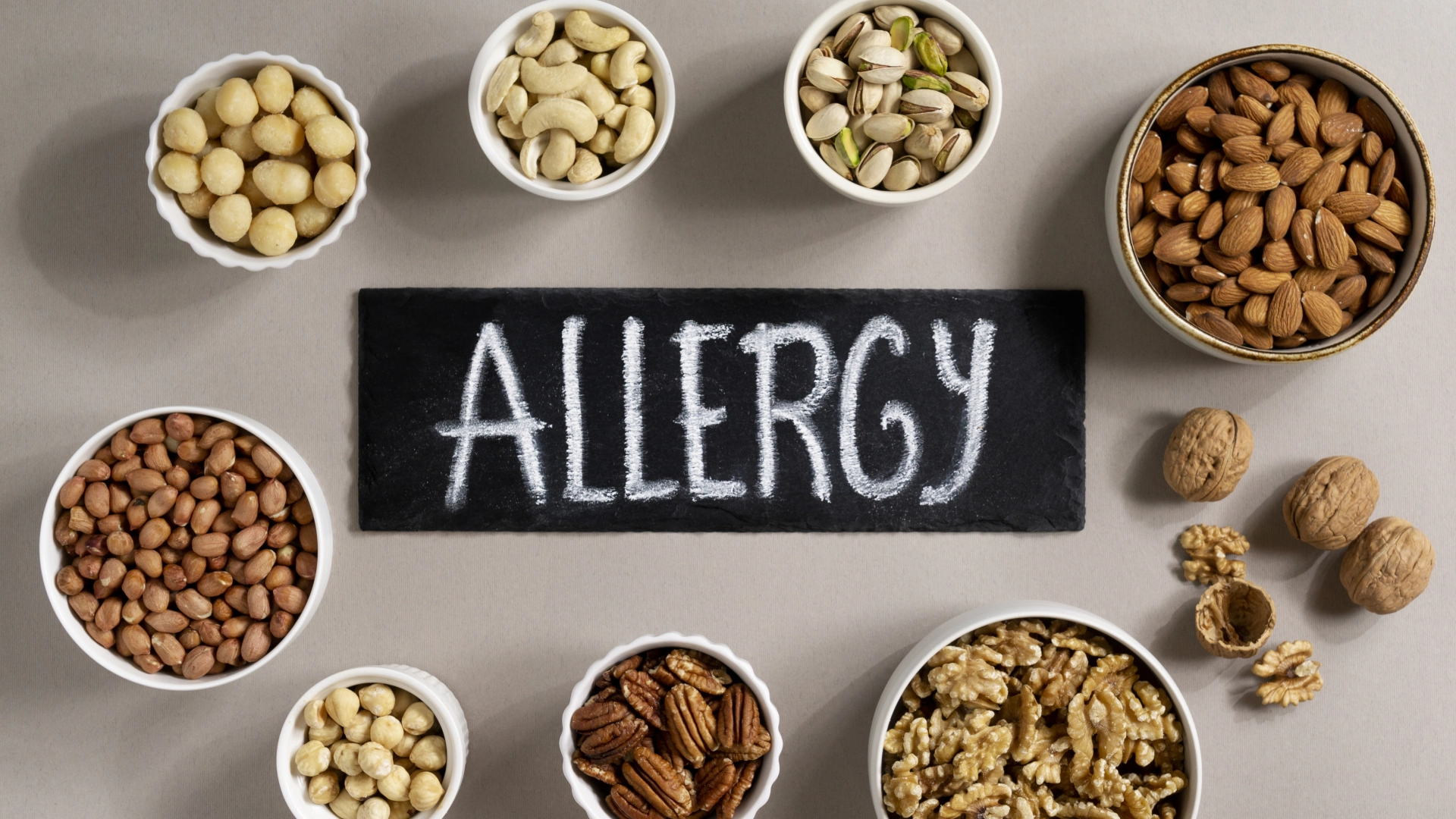
Food allergies occur when your immune system mistakenly identifies a specific food as a threat. In an attempt to defend your body, it triggers a range of reactions like skin rashes, stomach discomfort, swelling, and trouble breathing. Unlike food intolerances, allergic responses can be immediate or delayed and may impact several body systems at once.
The difference between a food allergy and food intolerance is important to understand. While a food allergy involves an immune response, food intolerance typically leads to issues such as bloating or abdominal pain a few hours after eating the problematic food, without involving the immune system.

Symptoms of a food allergy

Symptoms of a food allergy may appear soon after consumption or even days later. They can affect various parts of the body simultaneously. Common signs include:

•Dizziness or lightheadedness

•Swollen lips, eyes, or face (angioedema)

•Itchy skin or hives (raised rash)

•Wheezing, coughing, or difficulty breathing

•Sneezing, runny or blocked nose

•Hoarseness or noisy breathing

•Nausea or vomiting

•Stomach cramps

•Diarrhea


Causes of food allergy

Food allergies are the result of the immune system overreacting to proteins found in certain foods. Although the exact cause isn’t fully known, some foods are more likely to provoke an allergic reaction in susceptible individuals. These include:
•Cow’s milk
•Eggs
•Peanuts, soybeans, peas, and chickpeas
•Tree nuts like almonds, walnuts, hazelnuts, pecans, pistachios, Brazil nuts, and cashews
•Shellfish such as prawns, crab, and lobster
•Wheat

In addition, foods like mustard, sesame seeds, celery, and lupin flour can also be allergens. Your risk increases slightly if you or close family members have other allergies, eczema, or asthma.

What kind of testing do I need for a food allergy?

To identify a food allergy, healthcare providers may recommend:

Skin prick test

: A small amount of a suspected allergen is introduced to your skin to observe for a reaction.

Blood test

: Your blood is analyzed for the presence of antibodies that respond to specific allergens.

Food challenge

: Under medical supervision, small portions of a suspected allergen are consumed to monitor for a reaction.

What are the complications of food allergies?

One of the most dangerous outcomes of a food allergy is anaphylaxis — a severe and potentially life-threatening reaction. This may involve swelling of the airways, difficulty breathing or swallowing, vomiting, and a significant drop in blood pressure (anaphylactic shock). If not treated promptly, anaphylaxis can be fatal. Seek emergency medical attention or call 1-03 immediately if you experience swelling in the face, lips, or throat, trouble breathing, or faintness after eating.
Calcium: Why it's important at every age
30 July 2026
Calcium is often associated with strong bones, but its role in the body goes far beyond the skeleton. This essential mineral supports healthy muscles, nerves, the heart, and even blood clotting. While many people think about calcium only as they grow older, the truth is that it is important throughout every stage of life—from childhood to older adulthood.Because the body cannot produce calcium on its own, it must be obtained through food or, when necessary, supplements recommended by a healthcare professional. Getting enough calcium consistently is one of the simplest ways to support long-term health.Why your body needs calciumAbout 99% of the body's calcium is stored in the bones and teeth, where it helps maintain their strength and structure. The remaining 1% circulates in the blood and soft tissues, playing a vital role in many everyday functions.Calcium is needed to:• Build and maintain strong bones and teeth • Support normal muscle contraction • Help nerves transmit signals throughout the body • Maintain a regular heartbeat • Assist with normal blood clotting When dietary calcium is insufficient, the body begins taking calcium from the bones to maintain these essential functions. Over time, this can weaken bone tissue and increase the risk of fractures.Why calcium matters at different agesCalcium requirements change throughout life, but its importance never disappears.During childhood and adolescence, adequate calcium helps build bone mass while the skeleton is still developing. These years are especially important because much of the bone strength needed later in life is established before adulthood.In adulthood, calcium helps maintain bone density while continuing to support normal muscle and nerve function. Regular intake, together with physical activity, contributes to keeping bones healthy over time.As people get older, bone loss naturally accelerates, particularly after menopause in women. Ensuring sufficient calcium intake becomes increasingly important to help reduce the risk of osteoporosis and fractures.Signs you may not be getting enough calciumA mild calcium deficiency often develops gradually and may not cause noticeable symptoms at first. If calcium intake remains low for a long time, some people may experience:• Muscle cramps or spasms • Tingling or numbness in the fingers • Brittle nails • Frequent bone fractures • Dental problems • Reduced bone density These symptoms can also have other causes, so medical evaluation is important rather than self-diagnosis.Good dietary sources of calciumMost people can meet their calcium needs through a balanced diet. Foods naturally rich in calcium include:• Milk, yogurt, and cheese • Sardines and salmon with edible bones • Leafy green vegetables such as kale and broccoli • Calcium-fortified plant-based drinks and cereals • Tofu prepared with calcium sulfate • Almonds and sesame seeds Vitamin D is equally important because it helps the body absorb calcium effectively. Without enough vitamin D, even a calcium-rich diet may not provide its full benefit.Can supplements replace food?Calcium supplements can be helpful for people who cannot meet their daily needs through diet or who have certain medical conditions. However, supplements are not appropriate for everyone and should not be taken routinely without medical advice. Excess calcium may increase the risk of kidney stones or interact with certain medications.A healthcare provider can recommend whether supplementation is necessary and determine the appropriate dose based on age, diet, and overall health.Strong bones are built over a lifetime, not just in older age. Eating calcium-rich foods, maintaining adequate vitamin D levels, staying physically active, and having regular medical check-ups can all help protect bone health for years to come. If you have concerns about your calcium intake, frequent fractures, or other symptoms affecting your bones, seeking medical advice early can help identify deficiencies and prevent future complications.
How to stay hydrated during hot weather
26 July 2026
Hot weather can leave you feeling tired, dizzy, or sluggish long before you actually feel thirsty. As temperatures rise, your body loses more water through sweating to help keep itself cool. If these fluids are not replaced, dehydration can develop, affecting everything from your energy levels to your heart, kidneys, and ability to regulate body temperature.The good news is that staying hydrated is usually simple. A few healthy habits can help your body cope with the heat and reduce the risk of heat-related illness.Why hydration mattersWater is essential for nearly every function in the body. It helps regulate body temperature, transports nutrients, supports digestion, lubricates joints, and allows organs to function properly. During hot weather, these tasks become even more demanding because the body must work harder to stay cool.Even mild dehydration can affect physical performance and concentration. As fluid loss becomes more significant, the risk of heat exhaustion and heat stroke increases, making proper hydration especially important during the summer months.Signs you may be dehydratedDehydration does not always happen suddenly. Often, the body gives early warning signs that should not be ignored.Common symptoms include:• Increased thirst • Dry mouth or lips • Dark yellow urine or urinating less often • Headache • Fatigue or weakness • Dizziness or lightheadedness • Muscle cramps Young children, older adults, pregnant women, and people with chronic illnesses are generally more vulnerable to dehydration and may require extra attention during periods of extreme heat.Simple ways to stay hydratedYou do not have to wait until you feel thirsty to drink water. Making hydration part of your daily routine is one of the easiest ways to protect your health.• Drink water regularly throughout the day, especially when spending time outdoors. • Increase your fluid intake during exercise or physical work. • Eat water-rich foods such as watermelon, cucumber, oranges, strawberries, tomatoes, and lettuce. • Limit excessive alcohol and sugary drinks, which may contribute to dehydration. • Wear lightweight clothing and stay in shaded or air-conditioned areas whenever possible. If you are sweating heavily for a prolonged period, especially during intense exercise or outdoor work, drinks containing electrolytes may help replace minerals lost through sweat. However, for most healthy people during everyday activities, water remains the best choice.Who should be especially careful?Some people lose fluids more quickly or may not recognize dehydration early enough. Extra care is recommended for:• Infants and young children • Adults over 65 years of age • Pregnant or breastfeeding women • People with diabetes, kidney disease, or heart disease • Individuals working or exercising outdoors Staying hydrated is one of the simplest yet most effective ways to protect your health during hot weather. Drinking enough fluids, eating water-rich foods, and recognizing the early signs of dehydration can help prevent serious complications before they develop. If you experience persistent dizziness, confusion, fainting, or are unable to keep fluids down, seek medical attention promptly, as severe dehydration requires immediate treatment.
Vitamin C: More than just immune support
21 July 2026
When people think of vitamin C, they usually associate it with fighting colds. While this essential nutrient does play an important role in supporting the immune system, its benefits extend far beyond immunity. Vitamin C is involved in wound healing, collagen production, iron absorption, and protecting the body's cells from oxidative stress.Because the human body cannot produce or store large amounts of vitamin C, it must be obtained regularly through food or, when necessary, supplements. A balanced diet is usually enough for most people, but inadequate intake over time can lead to deficiency and affect overall health.Why is vitamin C important?Vitamin C participates in many vital processes throughout the body. It acts as a powerful antioxidant, helping protect cells from damage caused by unstable molecules known as free radicals. It also plays a key role in the formation of collagen—a protein that supports healthy skin, blood vessels, bones, cartilage, and gums.In addition, vitamin C improves the absorption of iron from plant-based foods, making it especially important for people who are at risk of iron deficiency.Signs you may not be getting enough vitamin CA severe vitamin C deficiency is uncommon in developed countries, but mild deficiency can develop gradually and often goes unnoticed at first.Possible signs include:• Frequent fatigue or low energy • Slow wound healing • Bleeding or swollen gums • Easy bruising • Dry or rough skin • Frequent infections • Joint discomfort • Iron deficiency that is difficult to correct These symptoms are not specific to vitamin C deficiency alone, but persistent or unexplained changes should be discussed with a healthcare professional.Where can you get vitamin C?Most people can meet their daily vitamin C needs by eating a variety of fresh fruits and vegetables.Excellent sources include:• Citrus fruits such as oranges, lemons, and grapefruits • Kiwi • Strawberries • Bell peppers • Broccoli • Tomatoes • Brussels sprouts • Potatoes Because vitamin C is sensitive to heat, prolonged cooking may reduce the amount present in food. Including some fresh fruits and vegetables in your daily meals helps maximize intake.Can you take too much vitamin C?Vitamin C supplements are widely available, but taking large doses is not always beneficial. In healthy individuals, excess vitamin C is usually eliminated through urine. However, very high doses may cause digestive discomfort, including stomach cramps or diarrhea, and may increase the risk of kidney stones in susceptible individuals.For this reason, supplements should not replace a healthy diet and are best taken according to medical advice, especially if you have underlying health conditions.Vitamin C supports much more than your immune system. It contributes to healthy skin, blood vessels, wound healing, and iron absorption while helping protect the body from everyday cellular damage. If you experience ongoing fatigue, frequent infections, slow-healing wounds, or other unexplained symptoms, a medical evaluation can help identify whether a nutritional deficiency or another health condition may be contributing. A balanced diet and regular health checkups remain the best foundation for maintaining good health.
High triglycerides: What they mean for your health
16 July 2026
Many people pay close attention to their cholesterol levels but overlook another important blood fat, which is triglycerides. In reality, elevated triglycerides can be an early warning sign that your metabolism is not functioning as it should. High triglyceride levels often develop without noticeable symptoms, yet over time they may increase the risk of cardiovascular disease, fatty liver disease, and pancreatitis.The good news is that in many cases triglyceride levels can be improved through lifestyle changes and, when necessary, appropriate medical treatment. Understanding what triglycerides are and why they matter is the first step toward protecting your long-term health.What are triglycerides?Triglycerides are the most common type of fat found in the blood. After you eat, your body converts calories it does not immediately need into triglycerides and stores them in fat cells. Between meals, these stored fats are released and used as a source of energy.Triglycerides are essential for normal body function. However, when their levels remain too high for a long period, they can contribute to the buildup of fatty deposits in blood vessels and place extra strain on several organs.Why can triglycerides become elevated?High triglycerides rarely have a single cause. They are often linked to everyday lifestyle habits, but certain medical conditions and medications can also play a role.Common factors include:• Diets high in sugar, refined carbohydrates, and unhealthy fats • Excess body weight, especially around the waist • Physical inactivity • Excessive alcohol consumption • Type 2 diabetes or insulin resistance • Metabolic syndrome • Hypothyroidism • Chronic kidney disease • Certain medications, including some steroids, beta-blockers, and estrogen-containing therapies • Family history of high triglycerides Sometimes, even people who feel healthy may have elevated triglycerides, which is why routine blood tests remain important.Why high triglycerides matterUnlike some medical conditions, high triglycerides usually do not cause obvious symptoms. Many people discover the problem only during a routine health check.Persistently elevated triglycerides may increase the risk of:• Heart attack and stroke • Fatty liver disease • Metabolic syndrome • Type 2 diabetes complications • Acute pancreatitis, particularly when triglyceride levels become very high Because high triglycerides often occur together with high cholesterol, obesity, or high blood pressure, they should always be evaluated as part of overall cardiovascular risk rather than in isolation.How can you lower triglycerides?In many cases, healthy lifestyle changes can significantly reduce triglyceride levels and improve overall metabolic health.The most effective steps include:• Choosing a balanced diet rich in vegetables, whole grains, legumes, and healthy fats • Limiting sugary drinks, sweets, and refined carbohydrates • Reducing alcohol consumption • Exercising regularly • Achieving and maintaining a healthy weight • Controlling blood sugar if diabetes is present • Taking prescribed medications when lifestyle changes alone are not enough Even modest weight loss and regular physical activity can lead to meaningful improvements.High triglycerides usually do not cause symptoms, but they should never be ignored. A simple blood test can detect elevated levels before complications develop. Regular health checkups, a balanced diet, physical activity, and timely medical guidance can help protect your heart, liver, and overall health for years to come.

Fill in the required fields

I am waiting for a call

We will help you quickly find what you need!

Thank you!
Our employee will contact you soon
Close
dalimed medical
How can we help?
Leave your number and we will call you back
Book a call
I agree with the terms of personal data processing
Thank you!
Our employee will contact you soon
Close