How to Tan Safely

How to Tan Safely

How to Tan Safely
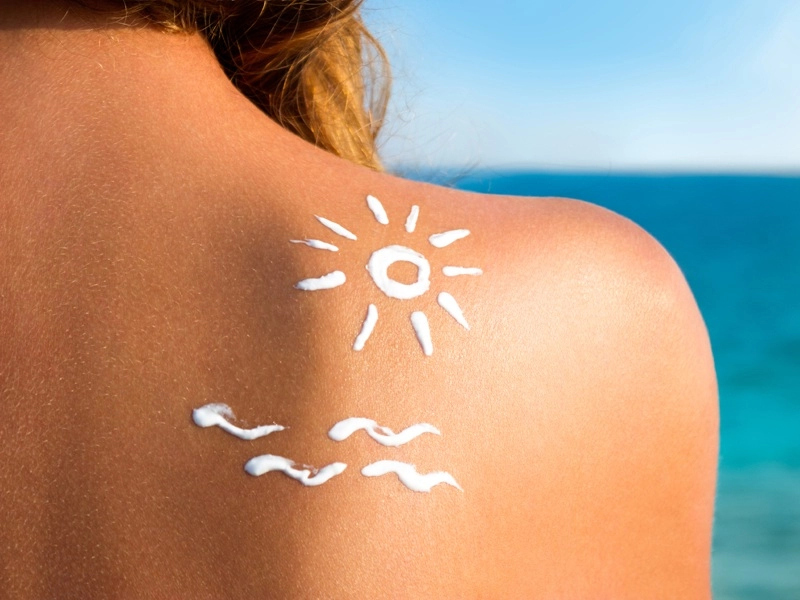
Tanning happens when your skin darkens after being exposed to ultraviolet (UV) rays. While many people enjoy a sun-kissed glow, it's important to do it safely. The best way to protect your skin is by using a broad-spectrum sunscreen and avoiding too much time in direct sunlight.
Even with precautions, tanning comes with some risks—especially since it usually means spending long hours in the sun. To stay safe, try to keep your sun exposure limited and wear protective clothing when outside.

If you still want to tan outdoors,

here are some tips to help you do it more safely:


•Avoid the sun between 10 a.m. and 2 p.m.—that’s when UV rays are strongest.

•Use a sunscreen that’s at least SPF 30 and offers broad-spectrum protection. Reapply often, especially after swimming or sweating, even if it says water-resistant.

•Don’t stay in the sun too long at once. Take shorter tanning breaks instead of long sessions. You might not notice sunburn until later.

•Protect your face and eyes with a wide-brimmed hat and sunglasses that block 99–100% of UVA and UVB rays.

•Stay hydrated by drinking water and take breaks in the shade to avoid heat exhaustion.

•If your skin starts turning pink or feels sore, head indoors. People with darker skin tones might not notice color changes, so check your skin often.

Also, remember this:

You don’t need to be under the sun to get sun damage.

•Sand, snow, and water reflect UV rays, so you can get sunburned even in the shade.
•Cloudy skies don’t block UV rays. You can still burn on overcast days.
•Trees, umbrellas, and tents don’t block all UV rays. If you can see your shadow, you’re still exposed to sunlight.

Who Should Avoid Tanning?

Some people are more sensitive to sun damage.

How long you can stay in the sun without harm depends on several things:

Age

: Young skin is more delicate. Getting too much sun as a child or teen can raise the risk of skin cancer later in life.

Skin type

: Lighter skin burns more easily. Even if you already have a tan, it offers only a tiny bit of protection.

History of skin cancer

: If you’ve had skin cancer before, more sun exposure increases your risk of another case.

Some people should avoid tanning completely—especially if they’ve recently:

•Had a cosmetic treatment like a chemical peel or laser hair removal
•Used skincare with ingredients like salicylic acid or other exfoliants
•Taken acne treatments like isotretinoin or used retinoid creams
•Used medicines that make the skin more sensitive to sunlight, like some antibiotics

It’s always best to ask a doctor or dermatologist when it’s safe to go out in the sun again after treatments or medication. And if you’re on any medication, check the label before tanning.
While a little sun exposure can be good for your health, tanning always brings a risk of sunburn and skin damage. It can also raise your chances of getting skin cancer. If you still want that sun-kissed look, just make sure you’re taking smart steps to protect your skin.
X-ray of the spine
27 March 2026
A spine X-ray is a diagnostic imaging examination that uses a controlled dose of radiation to produce images of the vertebrae and evaluate the structure of the spinal column. It helps doctors identify bone changes, spinal alignment problems, and injuries that may explain neck pain, back pain, stiffness, or limited movement. Bones appear clearly on the image, while soft tissues are visible only in lighter gray shades. The examination may be performed in different spinal regions: cervical spine for the neck, thoracic spine for the upper and middle back, lumbar or lumbosacral spine for the lower back, and sacrum or coccyx for the lowest part of the spine. When is a spine X-ray indicated? Doctors usually recommend this examination when a patient has: • persistent neck or back pain • numbness, weakness, or restricted movement • trauma after a fall, blow, or accident It is also used to evaluate posture abnormalities, congenital spinal conditions, and postoperative changes. What can it show? A spine X-ray can help detect: • fractures, dislocations, or vertebral displacement • arthritis, osteoporosis, and bone spurs • scoliosis, kyphosis, and other curvature disorders In some cases, it may also reveal infections, congenital defects, or suspicious bone lesions. How is the examination performed? Before the procedure, the patient removes metal objects and may change into a medical gown. The radiology technician positions the patient lying down, sitting, or standing depending on the spinal area being examined. Usually several images are taken from different angles, most often frontal and lateral views. During imaging, the patient must remain still and may briefly hold their breath to improve image quality. The procedure usually lasts about 15 minutes and does not cause pain, although certain positions may be uncomfortable if pain is already present. Safety and availability The radiation dose used in spine X-ray is low, and protective lead shielding is applied to reduce unnecessary exposure. In pregnancy, the examination is performed only when clearly necessary and with additional precautions. You can undergo spine X-ray examination at Dalimed medical center, where imaging is performed using modern radiology equipment for accurate evaluation and medical diagnosis.
What is impetigo?
23 March 2026
Impetigo is a common bacterial skin infection that affects the superficial layers of the skin and is especially frequent in children. Because it spreads easily through close contact, it often appears in families, schools, and childcare environments. The infection develops when bacteria enter the skin through minor damage such as scratches, insect bites, eczema, or small cuts. The two main bacteria responsible are Staphylococcus aureus and Streptococcus pyogenes. Once they enter the skin, they multiply quickly and cause visible sores. Although impetigo is usually mild and responds well to treatment, it is highly contagious and should be managed early to prevent spread. Symptoms Impetigo usually starts with small red spots or fragile blisters that quickly burst. After breaking, they leave moist areas covered by a yellow, golden, or brown crust. These crusts are one of the most typical signs of the infection. The lesions may remain small or enlarge and spread to nearby skin. In some children, several blisters merge and form larger fluid-filled lesions, known as bullous impetigo. Common symptoms include: • red sores or blisters • honey-colored crusts • itching • mild pain or irritation • spreading patches of skin lesions The face, especially around the nose and mouth, is commonly affected, but lesions may also appear on the arms, legs, or other exposed areas. In more extensive infections, mild fever or enlarged lymph nodes may occur. Causes Impetigo occurs when bacteria enter damaged skin. Even minor skin irritation can be enough to allow infection to develop. Common risk factors include: • eczema • insect bites • scratching • minor cuts • scabies • head lice The infection spreads easily through direct contact with sores or through contaminated objects such as towels, clothing, bedding, or toys. Warm weather and crowded environments increase the chance of transmission. Treatment Treatment depends on how widespread the infection is. Mild cases are usually treated with antibiotic creams or ointments, while more extensive cases may require oral antibiotics. Before applying medication, the affected skin should be cleaned gently. Crusts can be softened with warm water or saline to help treatment work better. To reduce spread: • wash hands frequently • avoid scratching the lesions • keep fingernails short • use separate towels and bedding • cover sores when needed It is important to complete the full course of treatment even if the skin improves quickly. Conclusion Although impetigo is usually not a serious infection, early diagnosis is important because it can spread rapidly and may resemble other skin diseases. If sores, blisters, or crusted lesions appear, medical consultation is recommended. For proper diagnosis and effective treatment, visit Dalimed medical center, where specialists can provide professional skin care and appropriate therapy.
Sleep disturbance
20 March 2026
Sleep is essential for physical recovery, brain function, and emotional balance. When sleep is disturbed, the body does not complete its normal restorative processes, which can lead to tiredness, poor concentration, and reduced daily performance. Sleep disturbance is a broad term that includes difficulty falling asleep, frequent awakenings, waking too early, or feeling unrefreshed after sleep. Occasional poor sleep may happen during stress or schedule changes, but persistent problems can indicate a sleep disorder. Common disorders include insomnia, breathing-related sleep disorders, movement disorders, and disturbances of the natural sleep-wake rhythm. Most adults need seven to nine hours of sleep each night, although individual needs may vary. Symptoms Sleep disturbance may appear in different ways during both night and day. Common symptoms include: • difficulty falling asleep or staying asleep • waking several times during the night • daytime tiredness despite enough hours in bed Some people also experience poor concentration, irritability, headaches, or excessive daytime sleepiness. In certain cases, snoring, breathing pauses, leg movements, or unusual behaviors during sleep may suggest a specific sleep disorder. Causes Sleep disturbance often develops from a combination of lifestyle, emotional, and medical factors. Frequent causes include: • stress, anxiety, or irregular sleep schedule • caffeine, alcohol, or screen exposure before bedtime • chronic illness, pain, or breathing problems during sleep Certain medications, night-shift work, and hormonal changes can also affect normal sleep patterns. Treatment Treatment depends on the cause, but many cases improve with better sleep habits. Helpful measures include: • going to bed and waking up at the same time daily • avoiding stimulants and heavy meals before sleep • keeping the bedroom quiet and comfortable If symptoms continue, medical evaluation may be needed. A healthcare provider may recommend tests or sleep monitoring to identify disorders such as insomnia or sleep apnea. Treatment may also include managing underlying health conditions or using medication when necessary. Conclusion Persistent sleep disturbance should not be ignored because poor sleep affects overall health, mood, and daily function. Early evaluation helps prevent complications and improves quality of life. Passing the necessary examinations and receiving treatment at Dalimed Medical Center can help identify the cause of sleep problems and support effective recovery.
What is creatinine?
18 March 2026
Creatinine is a waste product formed during normal muscle metabolism. When muscles use energy, a compound called creatine breaks down and produces creatinine. This substance enters the bloodstream and is carried to the kidneys, where it is filtered and removed from the body through urine. Because this process happens continuously, creatinine levels in the blood help show how well the kidneys are functioning. Although creatinine itself has no direct function in the body, it is one of the most commonly used laboratory markers for evaluating kidney health. Healthy kidneys keep creatinine levels within a stable range. When kidney filtration decreases, creatinine begins to accumulate in the blood, which may suggest impaired kidney function. Why is creatinine important? A creatinine test is often included in routine blood work because it helps doctors assess kidney filtration. It is commonly ordered together with other tests in a basic metabolic panel or comprehensive metabolic panel. Since kidney disease may develop without clear early symptoms, creatinine measurement can help detect problems at an early stage. Doctors usually request creatinine testing in the following situations: • to evaluate kidney function in people with diabetes, high blood pressure, or heart disease • to monitor patients with chronic kidney disease • to assess whether medications may be affecting kidney function Creatinine results are often interpreted together with estimated glomerular filtration rate, which gives a more accurate picture of kidney performance because it also considers age and sex. Normal creatinine levels Normal creatinine values vary according to age, sex, muscle mass, and hydration status. People with greater muscle mass usually have slightly higher levels. Typical blood creatinine ranges are: • Adult men: 0.7–1.2 mg/dL • Adult women: 0.5–1.0 mg/dL Laboratory ranges may differ slightly, so results should always be interpreted by a healthcare professional. Low and high creatinine levels Low creatinine is usually related to reduced muscle mass, poor nutrition, pregnancy, or liver problems. It is less common and often not related to kidney disease. High creatinine usually indicates reduced kidney filtration, but temporary increases may also occur because of dehydration, intense exercise, or high protein intake. Common causes of high creatinine include: • kidney infections • kidney stones • kidney inflammation • kidney failure • uncontrolled diabetes or high blood pressure Symptoms may include fatigue, swelling, nausea, reduced urination, or changes in urine color. Treatment and monitoring Creatinine itself is not treated directly; treatment depends on the underlying cause. If abnormal levels are linked to infection, blood pressure problems, diabetes, or kidney disease, treatment is directed at those conditions. Regular monitoring is important because changes in creatinine can help detect kidney problems early and guide treatment decisions.

Fill in the required fields

I am waiting for a call

We will help you quickly find what you need!

Thank you!
Our employee will contact you soon
Close
dalimed medical
How can we help?
Leave your number and we will call you back
Book a call
I agree with the terms of personal data processing
Thank you!
Our employee will contact you soon
Close