What is the immune system?

What is the immune system?

What is the immune system?
The immune system is a powerful and complex defense network made up of organs, white blood cells, proteins, and chemicals. It works tirelessly to shield your body from harmful microorganisms and internal threats. Beyond protection, it also plays a vital role in healing after infections and injuries.

What does the immune system do?

The immune system protects you from:

•Harmful bacteria

•Viruses

•Fungi that cause infection

•Parasites

•Abnormal cells, such as cancer


How does the immune system work?

A healthy immune system can recognize what belongs to your body and what doesn’t. It springs into action to attack harmful microbes and stops when the threat is gone. It also "remembers" previous germs through antibodies—proteins that help neutralize future infections more efficiently.
But the immune system isn’t always perfect.

Weak immune system

Some people are born with conditions that weaken immunity, but most immune deficiencies develop later in life—often linked to chronic illnesses such as cancer or Type 2 diabetes. A weakened immune system makes it harder for your body to defend against infections.

Overactive immune system

On the opposite end, an overly reactive immune system may respond too aggressively. It might attack your own healthy cells (autoimmune diseases) or cause allergic reactions to harmless substances. Sometimes, it continues to fight even after the threat is gone.

Signs and symptoms of immune system disorders.

Depending on the type of immune imbalance, symptoms can differ. However, common warning signs include:
•Persistent fatigue
•Fever without a known cause
•Sudden weight loss
•Excessive night sweats
•Unexplained skin rashes or itchiness
•Aching muscles or joints
•Tingling or numbness in fingers or toes
•Brain fog or trouble focusing
•Hair thinning or loss
•Enlarged lymph nodes in the neck, groin, or armpits

Common tests to evaluate immune system function

Doctors often use blood tests to evaluate your immune health. These may include:
•Antibody level testing
•Complete blood count
•Complement tests (such as C3 protein levels)

How can I boost my immune system naturally?

There’s no one-size-fits-all solution for enhancing immunity. Your immune system is intricate, and what helps one person may not work for another. The best approach is to focus on a healthy lifestyle—balanced nutrition, good sleep, regular activity, and stress reduction. But for tailored guidance, it’s always wise to consult a professional.

When in doubt, seek expert care.

If you’re experiencing symptoms or want to improve your immune health, visit Dalimed Medical Center. Our doctors will guide you through personalized testing and treatment to help you feel your best.
Gastroenteritis: Causes, Symptoms and Care
10 January 2026
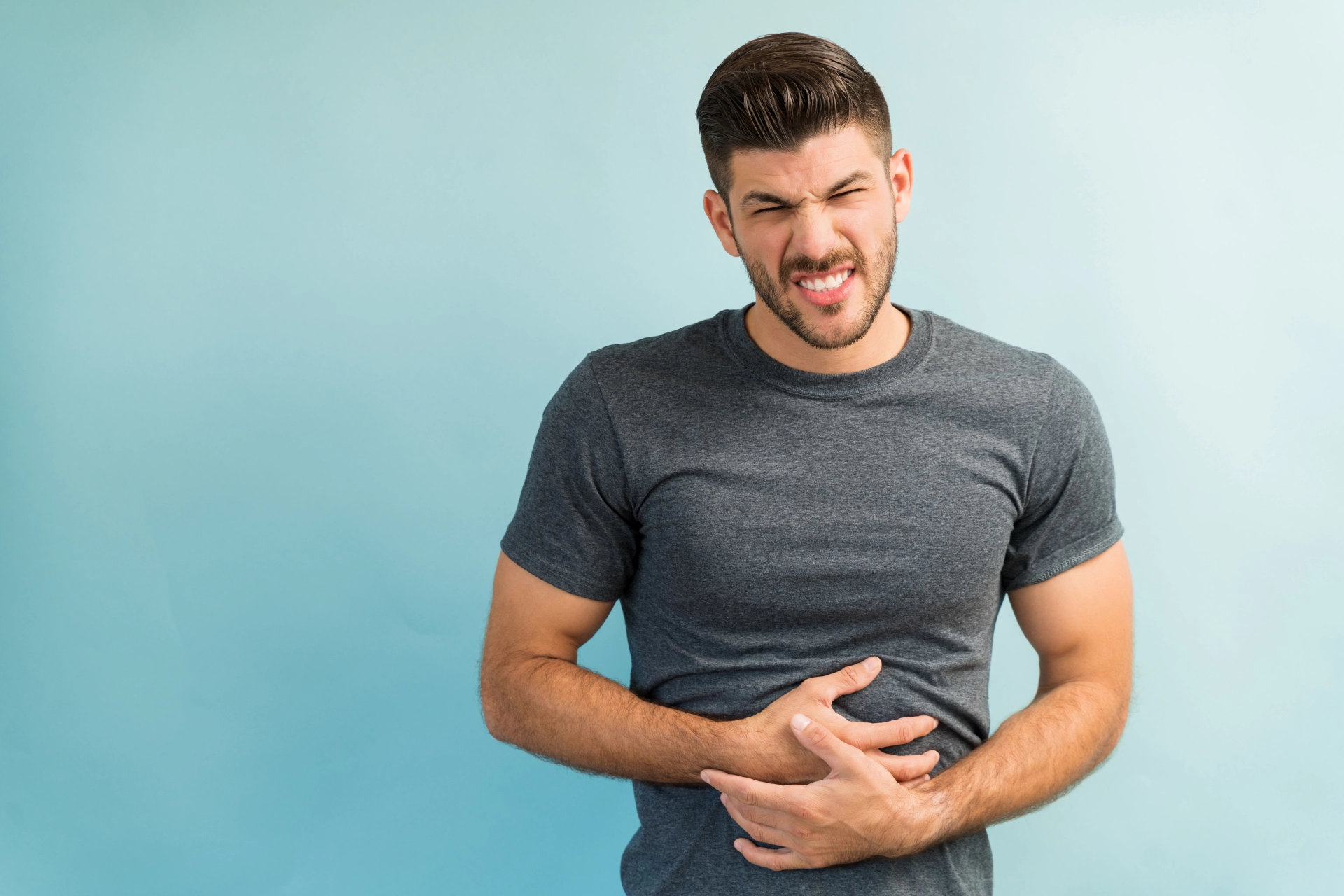
Gastroenteritis is a condition marked by inflammation of the stomach and intestines. This inflammation irritates the digestive tract, leading to uncomfortable symptoms such as diarrhea, vomiting, nausea and abdominal pain. Because the stomach and intestines are involved at the same time, symptoms often appear suddenly and can feel intense, though the illness is usually short-lived. This condition is extremely common worldwide. Most people experience gastroenteritis at least once in their lifetime, often more than once. While it is usually mild and resolves on its own, gastroenteritis can become serious in young children, older adults and people with weakened immune systems. Why gastroenteritis occurs Gastroenteritis develops when the immune system reacts to harmful substances or microorganisms entering the digestive tract. The inflammatory response helps fight off infection or injury, but it also causes swelling, irritation and increased fluid movement in the intestines, which leads to diarrhea and vomiting. There are two main forms of gastroenteritis: infectious and chemical.Main types of gastroenteritis • Infectious gastroenteritis – caused by viruses, bacteria, parasites or fungi. • Chemical gastroenteritis – caused by toxins, medications, alcohol or poisonous substances. • Acute gastroenteritis – sudden onset, short duration (most common). • Persistent gastroenteritis – uncommon, lasts longer and may require medical treatment. Common causes of infectious gastroenteritis Infectious gastroenteritis is the most frequent form and spreads easily through contaminated food, water or unwashed hands. The infection is shed in stool, making hygiene especially important. Infectious agents include: • Viruses: Norovirus (most common), rotavirus, adenovirus, astrovirus. • Bacteria: Salmonella, E. coli, Campylobacter, Shigella, C. difficile. • Parasites: Giardia, Cryptosporidium, Entamoeba. • Fungi: Candida and Aspergillus (rare, usually in immunocompromised individuals). Chemical gastroenteritis, on the other hand, may occur after exposure to substances such as heavy metals, toxic plants or excessive use of alcohol and certain medications. Signs and symptoms to recognize Symptoms often appear abruptly and mainly affect the digestive system at first. As the illness progresses, whole-body symptoms may follow. Typical symptoms include:• Diarrhea and abdominal cramping • Nausea and vomiting • Loss of appetite • Fever and chills • Fatigue and body aches Most cases improve within one to three days, although some infections may last longer or require targeted treatment. How gastroenteritis is treated In the majority of cases, gastroenteritis resolves without specific medication. Treatment focuses on supporting the body while it recovers and preventing complications, especially dehydration. Supportive care may include:• Rest and reduced physical activity • Oral fluids or rehydration solutions • Bland, easy-to-digest foods • Medications for nausea or diarrhea (when appropriate) Specific antibiotics or antiparasitic drugs are only used when a confirmed infection requires them. Toxic exposures may need specialized treatment depending on the substance involved. Possible complications and when to seek help Dehydration is the most common complication, especially in children and older adults. Severe or prolonged cases can lead to electrolyte imbalances or intestinal damage. Seek medical care if you notice:• Inability to keep fluids down • Symptoms lasting more than five days • High or persistent fever • Severe abdominal pain or swelling • Blood in stool or green-colored vomit • Signs of confusion or unusual behavior Prevention and everyday protection Although not all cases can be prevented, simple habits significantly reduce the risk of gastroenteritis and its spread. Key prevention strategies:• Wash hands thoroughly with soap and water • Clean shared surfaces with disinfectants • Handle and cook food safely • Use caution with food and water while traveling • Take medications only as directed Living with gastroenteritis During recovery, the digestive system is sensitive. Eating lightly for a few days helps reduce irritation and allows healing. Recommended foods include rice, toast, bananas, broth, applesauce and fluids. Foods to avoid include alcohol, dairy, caffeine, spicy or fatty meals and sweets. Outlook For most people, gastroenteritis is uncomfortable but not dangerous. With rest, hydration and proper care, recovery is usually quick. However, vulnerable individuals should be monitored closely to prevent complications and seek medical attention if symptoms worsen or persist.
Autoimmune Thyroiditis (Hashimoto's Thyroiditis)
07 January 2026
Autoimmune thyroiditis, most commonly known as Hashimoto's thyroiditis, is a chronic inflammatory disease of the thyroid gland. In this condition, the body's protective system—the immune system—mistakenly perceives the hormone-producing cells of its own thyroid gland as "foreign" and attacks them. This continuous attack by the immune system leads to the gradual destruction of thyroid tissue over the years. As a result, the gland's ability to produce hormones is limited, and over time, thyroid underactivity—hypothyroidism—develops. Hashimoto's thyroiditis is considered one of the most common causes of hypothyroidism. Causes The main factors for the onset of the disease are diverse and often interconnected: 1. Family predisposition – if there are cases of thyroid or other autoimmune diseases in the family, the risk increases significantly. 2. Iodine-rich diet – especially in cases where a genetic predisposition exists. 3. Certain viral and bacterial infections – which can activate the autoimmune process. Initial Symptoms In the early stages of the disease, symptoms resembling increased thyroid function are often observed, which can be temporarily misleading: 1. Increased sweating 2. Weight loss 3. Nervousness and irritability 4. Palpitations This phase can be transient and gradually change into thyroid underactivity. Symptoms of Hypothyroidism As the disease develops, signs characteristic of hypothyroidism manifest, which can significantly affect the quality of life: 1. Fatigue, general weakness 2. Dry skin 3. Hair loss 4. Weight gain 5. Constipation 6. Difficulty concentrating 7. Memory impairment 8. Edema (swelling) in the upper and lower extremities Diagnosis A combination of several research methods is used for accurate diagnosis: 1. Palpation of the thyroid gland 2. Checking thyroid hormones and specific antibodies in the blood 3. Ultrasound examination of the thyroid gland 4. Scintigraphy (if necessary) Treatment The main approach to treating Hashimoto's thyroiditis is hormone replacement therapy: 1. Thyroid hormone replacement medications are prescribed. 2. It is necessary to periodically monitor thyroid hormone levels to determine and adjust the correct dosage of the pill. Thyroid function usually deteriorates gradually over the course of life; therefore, the dosage of the hormonal medication may change over time. Treatment, as a rule, continues throughout life because the damaged tissue of the thyroid gland does not recover, and the underactivity remains permanent.
Polyneuropathy
30 December 2025
Polyneuropathy is a disease of the peripheral nervous system in which multiple nerves are affected simultaneously. These nerves connect the brain and spinal cord to the muscles, skin, and internal organs. Damage is usually symmetrical and often begins in the extremities—hands or feet—but in some cases, internal organs are also affected. Causes of the Disease By origin, polyneuropathies are divided into primary (hereditary) and secondary. Hereditary forms are associated with genetic disorders and include, for example, hereditary motor-sensory neuropathies, amyloidosis, Fabry and Refsum diseases, and other rare syndromes. Secondary polyneuropathies, which occur as a complication of other diseases or under the influence of external factors, are significantly more common. These include toxic, infectious, metabolic, vascular, and autoimmune forms. The development of polyneuropathy can be promoted by: • Infections (HIV, diphtheria, Epstein–Barr virus, botulism, etc.); • Autoimmune and allergic diseases, including Guillain–Barré syndrome; • Intoxication with drugs, alcohol, heavy metals, and other toxic substances; • Diabetes mellitus, liver and kidney diseases, deficiency of B vitamins; • Exposure to cold, vibration, radiation; • Tumors and their metastases compressing the nerves. The risk of the disease increases with age. In some cases, a precise cause cannot be established—such a form is called idiopathic. Classification Depending on the type of fibers affected, the following forms are distinguished: • Sensory form — with impaired sensitivity; • Motor form — with muscle weakness and reduced movement; • Autonomic form — with disorders of internal organ function; • Mixed form — a combination of several types. According to the mechanism of damage, a distinction is made between axonal forms (damage to the axon) and demyelinating forms (damage to the myelin sheath). By localization, polyneuropathy can affect the upper or lower limbs, cranial nerves, or autonomic nerves of internal organs. According to its course, the disease can be acute, subacute, or chronic. Symptoms Most often, the first manifestations occur in the feet and hands. Numbness, tingling, and burning appear, followed by pain and muscle weakness. Over time, symptoms spread upward along the limbs. Other observations may include: • Reduction or loss of sensitivity; • Muscle atrophy; • Tremors, muscle twitching; • Swelling, changes in skin and nails; • Delayed wound healing. When autonomic or cranial nerves are affected, disturbances in sweating, heart rhythm, breathing, digestion, vision, hearing, speech, and swallowing are possible. Pathogenesis In axonal forms, nerve fibers are primarily damaged, leading to muscle weakness and atrophy, especially in the distal parts of the limbs. These forms are characteristic of toxic and some hereditary polyneuropathies. During demyelination, the conduction of nerve impulses is disrupted, manifesting as reduced reflexes and muscle weakness without pronounced atrophy. These changes are typical for autoimmune and hereditary diseases. Diagnosis Diagnosis begins with an interview and a neurological examination. The doctor assesses sensitivity, reflexes, muscle strength, and coordination. To clarify the diagnosis, the following are used: • Blood and urine tests; • Immunological and genetic studies; • Cerebrospinal fluid examination; • Electroneuromyography (the main method); • Ultrasound of the nerves, biopsy — as indicated. Treatment Treatment tactics depend on the cause of the disease. Hereditary forms are treated symptomatically. For autoimmune polyneuropathies, immunoglobulins, glucocorticoids, and plasmapheresis are used. In diabetic, alcoholic, and toxic forms, main attention is paid to treating the underlying disease and eliminating the damaging factor. To reduce pain, anticonvulsants, antidepressants, B vitamins, and thioctic acid are used. Non-drug therapy includes physical therapy and rehabilitation, and in severe cases, support of vital functions. Complications and Prognosis Without treatment, polyneuropathy can lead to persistent muscle atrophy, injuries, impaired function of internal organs, and, in rare cases, life-threatening conditions. The prognosis depends on the form of the disease. In toxic and infectious polyneuropathies, complete recovery is possible after eliminating the cause. Chronic forms usually progress slowly, but with proper therapy, quality of life can be maintained. Prevention To reduce risk, it is important to control blood sugar levels, avoid alcohol, avoid contact with toxic substances, follow safety regulations at work, and ensure adequate intake of vitamins, especially group B. Medications should only be taken as prescribed by a doctor.
What is kidney stone disease?
25 December 2025
Kidney stone disease, also known as renal calculi or nephrolithiasis, is a condition in which hard mineral deposits form inside the kidneys. These stones develop when urine becomes too concentrated, allowing minerals and salts to crystallize and stick together. Kidney stones can affect anyone at any age, but they occur more often in men, with the highest incidence between the ages of 30 and 40. While some kidney stones remain small and pass without causing problems, others can grow, recur, or move into the urinary tract, leading to severe pain and complications. If left untreated, kidney stones may result in kidney infections, damage to the ureters, sepsis, or long-term loss of kidney function, including chronic kidney disease. Recognizing the condition early is key to preventing serious outcomes.Kidney stones vary in size—from tiny, sand-like grains to much larger stones—and they may form anywhere along the urinary tract, from the kidneys to the bladder. Even after successful treatment, stones can return, making prevention and follow-up especially important. Why do kidney stones form? Several factors increase the likelihood of developing kidney stones. These factors often affect how much calcium, oxalate, uric acid, or water is present in the urine: • Diet and hydration habits: Not drinking enough water, eating excessive salt, sugar, animal protein, or oxalate-rich foods (such as spinach, nuts, and chocolate) can promote stone formation. • Medical conditions and body chemistry: Obesity, gout, overactive parathyroid glands, digestive disorders (like inflammatory bowel disease or chronic diarrhea), and high calcium or uric acid levels in the blood raise the risk. • Medications and supplements: High-dose vitamin C, calcium supplements, and certain medications may contribute to stone development. Warning signs and symptoms Kidney stones may not cause symptoms until they move within the kidney or become lodged in the ureter, blocking urine flow. When symptoms do appear, they can be sudden and intense: • Severe, sharp pain in the side, back, or lower abdomen that may come in waves • Pain during urination, frequent urination, or difficulty passing urine • Cloudy, pink, red, or brown urine, sometimes with sand-like particles • Nausea, vomiting, fever, or chills if an infection is present Some people, however, may have kidney stones without any noticeable symptoms. Diagnosis and treatment If kidney stones are suspected, healthcare providers use urine and blood tests along with imaging studies—such as ultrasound, X-rays, or CT scans—to confirm the diagnosis and determine stone size and location. Treatment depends on the type and size of the stone and the severity of symptoms. Small stones often pass on their own with increased fluid intake and, in some cases, medications to relax the ureter and ease pain. Larger or problematic stones may require specialized procedures, such as shock wave therapy to break them apart, endoscopic removal with a ureteroscope, or surgical techniques for very large stones. Prevention and outlook Most people with kidney stones recover fully, but recurrence is common. Preventive strategies focus on long-term lifestyle and dietary adjustments, including staying well hydrated, maintaining a balanced diet, limiting salt and animal protein, and following medical advice tailored to the type of stone formed. With early diagnosis, appropriate treatment, and preventive care, kidney stone disease can be effectively managed, helping protect kidney health and quality of life.

Fill in the required fields

I am waiting for a call

We will help you quickly find what you need!

Thank you!
Our employee will contact you soon
Close
dalimed medical
How can we help?
Leave your number and we will call you back
Book a call
I agree with the terms of personal data processing
Thank you!
Our employee will contact you soon
Close