What Is Biorevitalization?

What Is Biorevitalization?

What Is Biorevitalization?
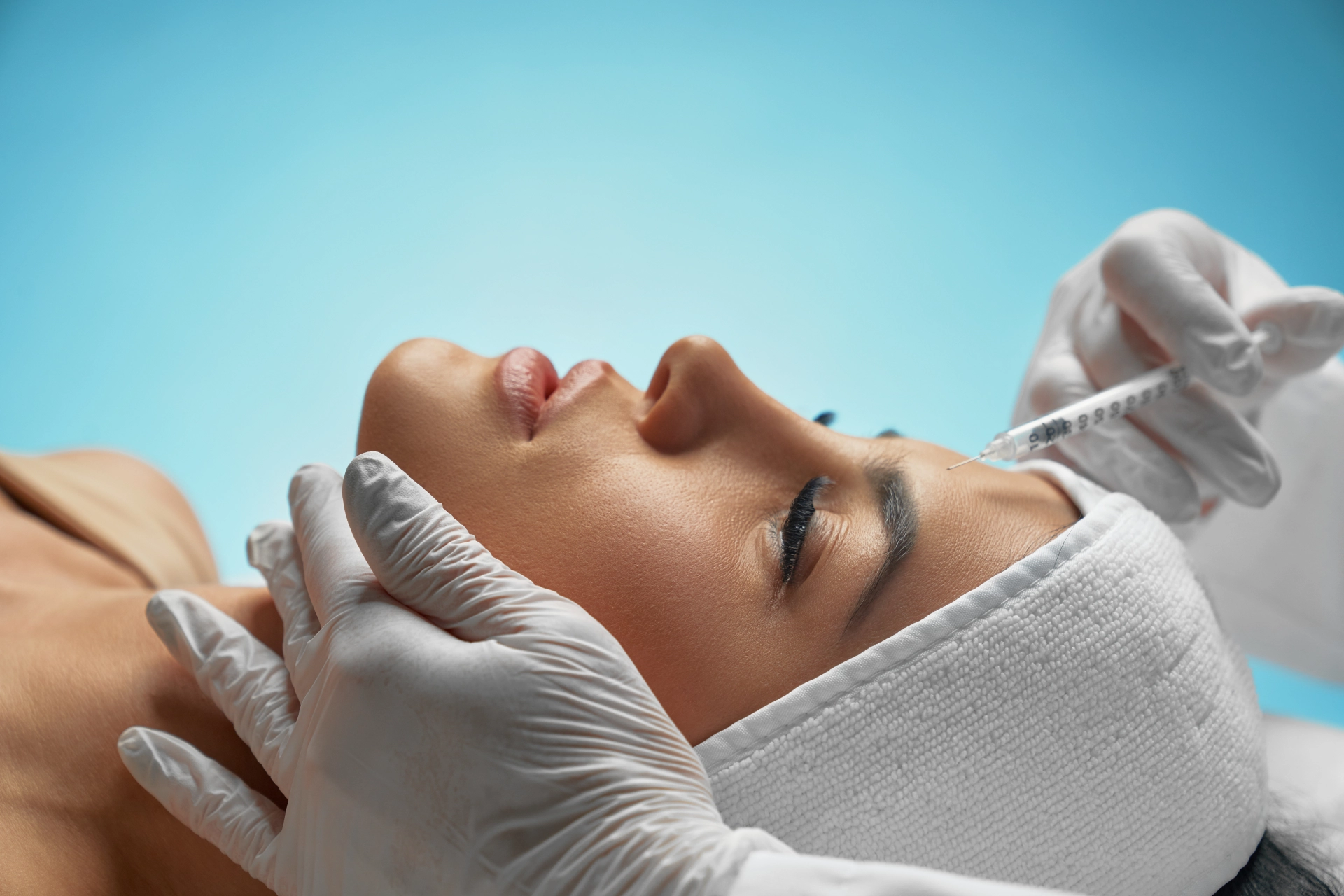
Biorevitalization is a modern and highly effective method of deep skin hydration and rejuvenation. During the procedure, microinjections of hyaluronic acid are delivered into the dermis (the middle skin layer). This activates natural cell renewal, stimulates collagen and elastin production, improves microcirculation, and restores the skin’s firmness, freshness, and glow.
No cream can provide the same deep moisturizing and restorative effect as biorevitalization — that’s why it’s often called the

“injection of youth”

.

How the Procedure Works

Before the session, the skin is thoroughly cleansed, and a topical anesthetic may be applied if needed. Then, the doctor injects hyaluronic acid using an ultra-fine needle. Small papules (tiny bumps) may appear after treatment, disappearing within 2–4 days.
The procedure takes about 30–60 minutes, depending on the treated area (face, neck, décolleté, hands, knees, etc.).

When to Expect Results

Visible improvements can be seen within a few days — the skin becomes smoother, more hydrated, and radiant. With each session, the effect builds up: fine lines are reduced, the skin tightens and looks fresher and younger. After a full course, your body starts producing its own hyaluronic acid, and the results last for six months or longer.

Who Can Benefit

Ages 25–35

: Prevents early signs of aging and dryness.

Ages 40+

: Improves elasticity, combats sagging, and evens skin tone.

Ages 50+

: Reduces deep wrinkles, restores firmness, and reverses sun damage.
Also beneficial for tired or stressed skin, after sun exposure, or following laser and peeling treatments.

What Issues It Solves

• Fine and deep wrinkles
• Dryness and dullness
• Loss of firmness and tone
• Hyperpigmentation and sun spots
• Acne, enlarged pores, uneven texture
• Scars and stretch marks

Can It Be Combined with Other Treatments?

Absolutely! Biorevitalization pairs perfectly with botulinum therapy, chemical peels, laser rejuvenation, and other aesthetic treatments for enhanced results.

Safety and Comfort

The procedure is completely safe, performed by qualified cosmetic doctors, and suitable for all skin types all year round.
At Dalimed medical center, biorevitalization is performed by certified specialists using advanced products and personalized protocols tailored to your skin’s needs. Our doctors will design the ideal rejuvenation plan based on your age, skin condition, and desired outcome.
Give your skin health, radiance, and youth — book your biorevitalization session at Dalimed today!
Benefits of a house call doctor
03 December 2025
House call medicine is returning in a big way, reshaping how people receive care in today’s fast-paced world. What once seemed like a tradition of the past is now a modern solution for patients who value comfort, convenience, and meaningful connections with their healthcare providers. As lifestyles shift, populations age, and technology continues to evolve, in-home healthcare has become a practical and patient-centered alternative to traditional clinic visits. Care that comes to you The most obvious advantage of a house call doctor is simple: you don’t have to go anywhere. For individuals with limited mobility, chronic conditions, busy schedules, or post-operative needs, traveling to a clinic can be physically uncomfortable and emotionally draining. A home visit eliminates transportation challenges entirely, allowing the patient to stay in a familiar space while receiving professional care.Even for those who are otherwise healthy, having medical services brought to the doorstep adds a layer of ease that traditional appointments rarely offer. A more personal approach House call visits naturally allow for deeper, unhurried interactions. Without the rush of a clinic environment, providers can listen more closely, ask more thoughtful questions, and observe subtle details that might otherwise be missed. This extra time helps build a stronger relationship based on trust and understanding. Patients often find it easier to express concerns openly when they feel relaxed and unpressured—something that’s harder to achieve during quick, crowded office visits. Seeing the whole picture When care happens at home, providers gain a clearer understanding of a patient’s daily life. They can observe environmental factors that influence health—sleep setups, mobility challenges, fall risks, medication storage, dietary patterns, or stressors within the household. These small details often provide big insights. Better management of chronic conditions Chronic conditions such as heart disease, diabetes, COPD, and dementia often benefit greatly from consistent in-home oversight. Regular visits help keep symptoms under control, monitor progress, and adjust treatments before problems worsen. For many patients, this ongoing support means fewer complications and a stronger sense of stability. Comfort, privacy, and peace of mind Many patients feel anxious in clinical settings. Exams, bright lights, unfamiliar rooms, and long waits can create stress, especially for older adults, children, or those with anxiety. At home, the patient is surrounded by their own environment—familiar objects, comforting routines, and supportive family members. This sense of comfort encourages honest conversation and helps patients feel more in control of their care. Support for aging in place As the senior population grows, more older adults are choosing to remain at home for as long as possible. House call doctors play a crucial role in making this safe and achievable. They provide routine checkups, medication guidance, wellness monitoring, and post-operative care—all without the patient needing to travel. The future of healthcare is at home House call doctors offer a level of comfort, personalization, and meaningful connection that traditional clinics often struggle to match. As healthcare continues shifting toward patient-centered, flexible, and relationship-focused models, in-home care stands out as a powerful and modern solution. For many, it isn’t just a convenient option—it’s the best way to receive care.
What is a coagulogram?
02 December 2025
A coagulogram, or coagulation panel, is a diagnostic blood test that evaluates how effectively your blood forms clots. Clotting is a vital protective process that stops bleeding when blood vessels are injured. This mechanism relies on platelets and a series of proteins called clotting factors, which are mostly produced in the liver. Under normal circumstances, these factors remain inactive, but when bleeding begins, platelets become sticky and trigger a chain reaction that activates clotting factors and forms a stable clot. A coagulogram helps determine whether this complex system is functioning properly. It can show if blood clots too slowly, which may lead to excessive bleeding, or too quickly, which increases the risk of dangerous clots forming inside blood vessels. Such clots can travel to the lungs, brain, or heart and cause life-threatening complications. Why Is a Coagulogram Needed? Doctors may recommend this test when there is a suspicion of abnormal bleeding or clotting. People with prolonged bleeding after injuries or procedures, frequent nosebleeds, unexplained bruising, or blood in urine or stool may need this evaluation. It is also important for individuals showing signs of excessive clotting, such as leg swelling, sudden shortness of breath, or chest pain, which may indicate deep vein thrombosis or a pulmonary embolism. Many medical conditions can disrupt the balance of clotting factors, including liver disease, vitamin K deficiency, autoimmune disorders, cancer, severe infections, and nutrient deficiencies. Patients who take blood-thinning medications require regular monitoring, and a coagulogram is routinely performed before surgeries to ensure safe clotting function. What Does a Coagulogram Include? A coagulogram generally measures how long blood takes to clot and evaluates the key proteins involved in the clotting process. It typically includes tests such as PT/INR, aPTT, fibrinogen levels, and platelet count. Key Reasons to Perform a Coagulogram • To investigate unexplained bleeding or bruising and diagnose possible clotting factor deficiencies. • To assess the risk of excessive clot formation in cases of limb swelling, pain, or breathing difficulties. • To monitor patients taking anticoagulant medications such as warfarin. • To evaluate liver-related clotting factor production. • To ensure safe clotting before a surgical procedure. Main Components of a Coagulogram • PT/INR: Measures the time needed for blood to clot through the prothrombin pathway. • aPTT: Evaluates the internal clotting pathway and screens for factor deficiencies. • Fibrinogen level: Shows whether the final clot-forming protein is sufficient. • Platelet count: Determines if enough platelets are present to initiate clotting. • Specific factor assays: Identify missing or malfunctioning individual clotting factors. Conclusion A coagulogram provides essential information about how your blood clots and helps identify both bleeding risks and clot-forming disorders. By evaluating key components of the clotting system, it guides diagnosis and supports safe medical decision-making. This test is a valuable tool for maintaining overall health and preventing serious complications.
What is plasma therapy?
30 November 2025
Plasma therapy has become one of the most discussed modern medical procedures, offering benefits across regenerative medicine, dermatology, orthopedics, autoimmune disorders, and even severe infections. Although it sounds like a futuristic technology, the method is built on one of the body’s oldest and most essential components—blood plasma. Plasma is the liquid part of blood, making up around 55% of its volume. It contains water, proteins, minerals, antibodies, hormones, and nutrients. Its main role is transportation: carrying nutrients, hormones, immune components, and waste products throughout the body. Because of this rich composition, plasma plays a vital role in immunity, repair, and maintaining healthy balance in the body. What Is Plasma Therapy? Plasma therapy includes several techniques that use plasma for healing. The most widely used form is Platelet-Rich Plasma (PRP), where a patient’s blood is processed in a centrifuge to concentrate platelets. These platelets release growth factors that stimulate repair, reduce inflammation, speed wound healing, and improve skin and hair quality. PRP is used in dermatology, cosmetology, orthopedics, sports medicine, and chronic pain treatment. Another form is convalescent plasma therapy, where plasma from recovered patients transfers antibodies to someone fighting a severe infection. This approach became especially significant during outbreaks such as influenza, SARS, Ebola, and COVID-19. Plasmapheresis is another plasma-based method, used to remove harmful antibodies in autoimmune diseases. How Plasma Therapy Works Despite differences between treatment types, their mechanisms are similar. Plasma therapy enhances natural healing by supplying antibodies, stimulating collagen production, activating cell renewal, regulating inflammation, and removing harmful immune substances in autoimmune conditions. These combined effects help tissues recover faster, strengthen the immune response, and improve overall regeneration. What Conditions Can Plasma Therapy Help With? The therapy is effective across multiple fields. In infectious diseases, convalescent plasma provides immediate immune support when medications are limited. In autoimmune disorders such as lupus, myasthenia gravis, and Guillain-Barré syndrome, plasmapheresis helps reduce symptoms. PRP is widely used in orthopedics for osteoarthritis, tendon injuries, ligament strains, and muscle tears, helping many athletes avoid surgery. In dermatology and aesthetics, PRP is known for skin rejuvenation, texture improvement, pigmentation reduction, treating acne scars, and supporting hair growth. Benefits of Plasma Therapy Because plasma comes from the patient’s own body, it is natural, biocompatible, and carries very low risk of allergic reactions. The procedure is minimally invasive, requires little downtime, and enhances healing in conditions that may not respond well to medication. It can also be safely combined with other treatments. Risks and Limitations Although generally safe, plasma therapy may cause mild swelling, temporary discomfort, or dizziness. Rare allergic reactions can occur, and the cost may be higher due to individualized preparation. Results vary from person to person, and donor screening is essential for convalescent plasma use. How Long Do Results Last? PRP results typically last between six and twelve months, with improvements building gradually over time. Some patients may require repeated sessions depending on their condition. Conclusion Plasma therapy stands at the intersection of natural healing and medical innovation. By using the body’s own plasma, it supports regeneration, strengthens immunity, and opens new possibilities across both medicine and aesthetics. Whether used for serious diseases or cosmetic improvement, plasma therapy continues to transform modern healthcare and enhance quality of life.
Hand care tips in winter
27 November 2025
Winter may be beautiful, but it can be tough on your hands. Cold air, low humidity, and constant temperature changes between indoors and outdoors can strip the skin of moisture. Add frequent handwashing or exposure to irritants, and your hands can quickly become dry, rough, and even cracked. Fortunately, with a few simple habits, you can keep your hands comfortable, hydrated, and healthy all season long. Why Winter Dries Out Your Hands When temperatures drop, the air becomes drier both outside and inside heated buildings. This lack of moisture pulls hydration from your skin, weakening its natural barrier. Moving between warm and cold environments causes the skin to lose even more moisture. On top of that, handwashing—while essential—removes natural oils your skin needs to stay protected. People with sensitive skin or conditions such as eczema often feel these effects even more intensely. Top Tips for Healthy Winter Hands 1. Moisturize Frequently Keeping your hands moisturized is the most important step in preventing dryness. Apply a fragrance-free, gentle hand cream every time you wash your hands and throughout the day. Look for ingredients that help lock in moisture, such as shea butter, glycerin, urea, or hyaluronic acid. 2. Use Gentle Cleansers Many hand soaps contain harsh ingredients or heavy fragrances that can irritate the skin. Switch to mild, fragrance-free cleansers that won’t strip away natural oils. When washing your hands, use lukewarm water rather than hot water—hot temperatures can worsen dryness. If you’re on the go, handwashing is preferable to alcohol-heavy sanitizers when possible. If you must use sanitizer, choose one with added moisturizers, and apply hand cream afterward.3. Protect Your Hands from the Cold Cold air is one of the biggest culprits behind winter dryness. Wearing warm, soft gloves whenever you go outside helps keep your hands at a consistent temperature and prevents moisture loss. Long exposures to both cold and heat (like heaters or open fires) should be avoided, as extremes in temperature can further dehydrate your skin. Don’t forget gloves for household chores, too. When cleaning, washing dishes, or using detergents—especially strong chemical products—wearing protective gloves prevents irritation and helps preserve your skin barrier. 4. Try an Overnight Treatment For hands that feel especially tight or rough, consider a simple overnight treatment. Apply a rich moisturizer generously, then wear cotton gloves as you sleep. This intensive approach delivers deeper hydration and can make a noticeable difference by the next morning. You can do this as often as your hands need a boost. 5. Exfoliate and Mask (Gently) A little exfoliation goes a long way. Once a week, use a gentle homemade scrub—such as sugar mixed with a small amount of plant oil—to remove dead skin cells. This helps your moisturizers absorb better. You can also use hydrating masks. Natural ingredients like avocado (rich in healthy fats) and olive oil (deeply moisturizing) can nourish the skin and restore softness. 6. Treat Cracks with Care If the skin begins to crack, choose a thick, healing ointment containing natural protective ingredients like beeswax or shea butter. These create a barrier that shields the skin while encouraging healing. Avoid exposing cracked hands to cold air or irritants, and always wear gloves when handling cleaning products.Support Hydration from Within Healthy hands aren’t just about what you put on your skin—your overall hydration matters too. Drink plenty of water throughout the day, and include foods rich in omega-3 fatty acids, such as flaxseed, walnuts, or oily fish. These healthy fats help support the skin’s protective barrier. When to Seek Professional Help If dryness becomes severe, painful, or doesn’t improve with regular care, consult a dermatologist. Persistent cracking, bleeding, or visible inflammation may require medical treatment or prescription-strength creams. Keep Hands Healthy All Winter Long Winter hand care is all about maintaining moisture, protecting your skin, and avoiding extremes. By adopting a consistent routine—moisturizing frequently, cleansing gently, protecting your hands, and nourishing your skin—you can prevent discomfort and keep your hands soft and smooth all season. With the right care, winter doesn’t have to be harsh on your hands.

Fill in the required fields

I am waiting for a call

We will help you quickly find what you need!

Thank you!
Our employee will contact you soon
Close
dalimed medical
How can we help?
Leave your number and we will call you back
Book a call
I agree with the terms of personal data processing
Thank you!
Our employee will contact you soon
Close