What is Glaucoma?
26 June 2025
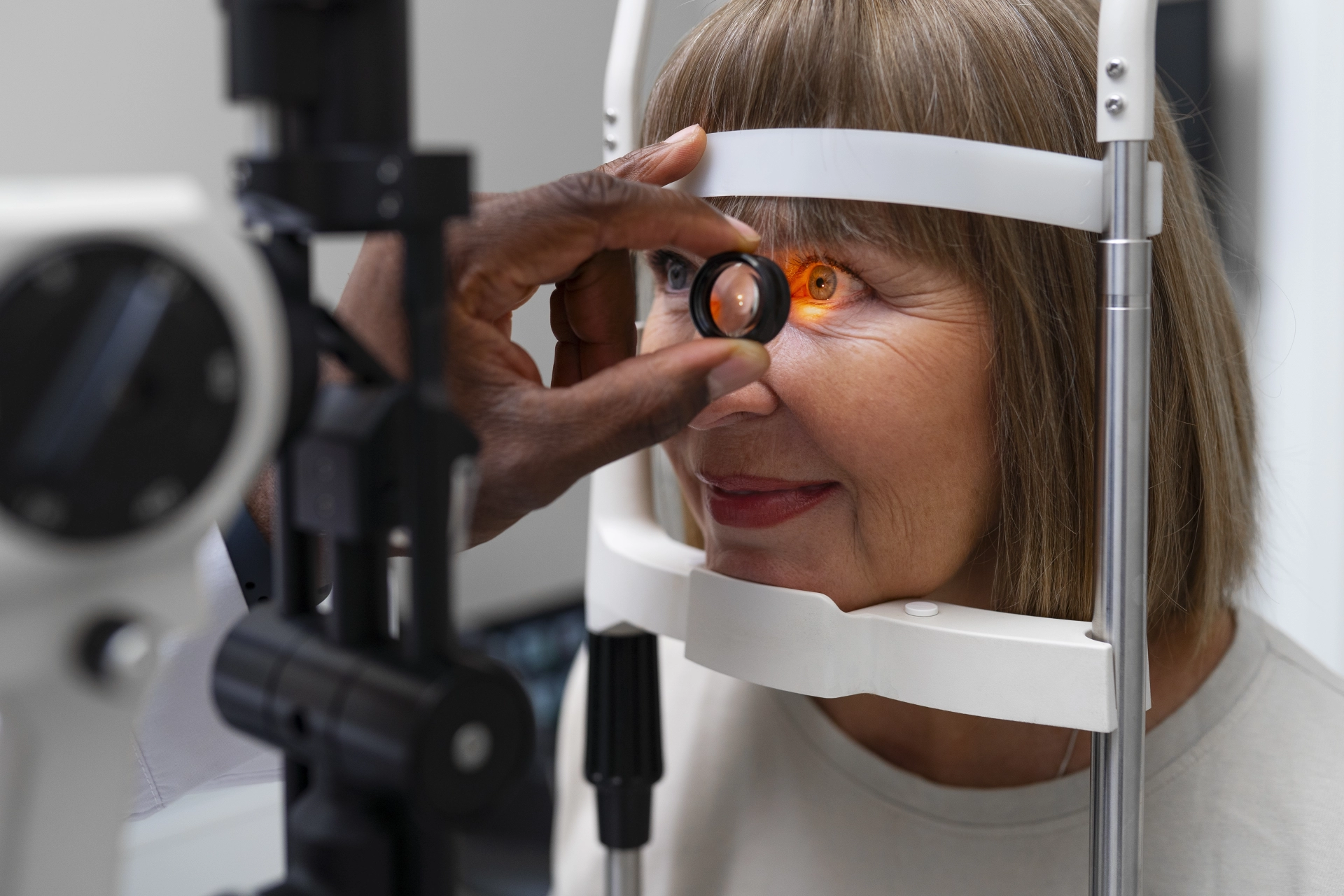
Glaucoma is a chronic eye disease that, over time, can damage the optic nerve, leading to vision loss. It is often called the "silent thief" because in many cases, it begins without obvious symptoms until the patient notices serious vision changes. As your physician, I must emphasize that its insidious, silent nature is precisely why proactive screening is critically important for preserving your precious sight.What is the Optic Nerve? The optic nerve connects the eye to the brain, transmitting vital visual information. Think of it as the high-speed data cable for your vision. When this nerve is damaged, the brain cannot properly process what is seen. If glaucoma is left untreated, vision can gradually worsen and even be completely lost. From a medical standpoint, this explains why the damage is so devastating; it's not just about what the eye "sees," but what the brain can interpret from that signal.How Does Glaucoma Occur? Inside our eye, a clear fluid forms that nourishes and cleanses various parts of the eye. This is your aqueous humor, essential for maintaining ocular health and pressure. When this fluid cannot drain naturally from the eye, the pressure inside the eye increases. This elevated pressure, like a clogged drain, then damages the delicate optic nerve. This mechanism is one of the main causes of glaucoma.However, it is crucial to note that sometimes glaucoma can also develop in people whose intraocular pressure is normal. This phenomenon, known as normal-tension glaucoma, highlights the complex nature of this disease, extending beyond simple pressure readings. For this reason, there are indeed different types of glaucoma.Types of Glaucoma1.Open-angle glaucoma (the most common form): This type develops slowly and typically without pain. Often, people do not notice changes until there is already significant vision loss. As a doctor, I reiterate: its gradual progression is why routine eye examinations are absolutely paramount, particularly for those at risk.2.Angle-closure glaucoma: This form is rarer, but it develops suddenly and rapidly. It can be accompanied by severe eye pain, redness, sudden worsening of vision, and even nausea. This is an ophthalmologic emergency requiring urgent treatment. If you experience these symptoms, seek immediate medical attention; your vision depends on it.Who is at Higher Risk? Several factors can increase your risk of developing glaucoma:•People with a family history of glaucoma•Individuals over 40 years old•Those with consistently high intraocular pressure•Those suffering from diabetes or high blood pressure•People of Black or Asian descent•Individuals who use steroid medications for a long timeHow is Glaucoma Diagnosed? Glaucoma can only be detected through a thorough eye examination. Self-diagnosis is simply not possible. This examination typically includes the following:•Eye pressure measurement•Optic nerve examination•Visual field testing (determining the boundaries of vision)•Examination of the eye's internal structuresCan Glaucoma Be Cured? Glaucoma cannot be completely cured, but with proper treatment, it is possible to slow down or even stop the damage to the optic nerve. The goal of medical intervention is to preserve your remaining vision and prevent further damage. We focus on management, not cure, to safeguard your sight.Treatment options include:•Eye drops to lower pressure•Pills (medications)•Laser intervention•Surgery, if other methods do not helpWhy is Early Diagnosis Important? Since glaucoma often has no symptoms in its initial stages, many people do not even suspect they have the disease. Detecting it at an early stage means starting treatment in time and preserving your vision. Remember: vision lost due to glaucoma cannot be restored, but it is possible to preserve what is still there. Therefore, always remember to visit an ophthalmologist regularly, even if you do not notice any vision problems. Your vision is an irreplaceable gift; protect it with routine care.










 Հայերեն
 Русский